Category: E-Commerce Development

  • Which Companies are Building the Most Powerful eCommerce Stores? 

    Which Companies are Building the Most Powerful eCommerce Stores? 

    Which Companies are Building the Most Powerful eCommerce Stores_-1
    [ez-toc]

    Starting an internet store in 2026 goes beyond just selling goods. It’s about speed, experience, personalisation, and technology invisibly behind the scenes, making all appear simple to the customer. Rather than only for developers, businesses nowadays are searching for the right eCommerce development companies that can actually turn an idea into a successful digital storefront. 

    E-commerce is progressing incredibly fast. Modern online stores are more like smart ecosystems than they are simply websites. They range from lightning-fast checkouts and mobile-first design to headless commerce architectures and AI-driven recommendations. Choosing among the top eCommerce growth firms can mean the difference between a shop that struggles to convert and one that makes money while you sleep, whether you are a fledgling founder, a developing brand, or a corporate firm. 

    The demand for expert developers is global.
      

    Businesses are now actively searching for e-commerce website development companies in Dubai, e-commerce website development companies in the UK, and other tech hubs worldwide to find teams that understand international markets, payment systems, and localisation strategies. This global competition means only the most skilled agencies make it to the top tier. 

    But with hundreds of agencies claiming they’re “the best,” how do you actually pick the right one? 

    That’s exactly why we created this guide. 

    You will find the best e-commerce development businesses in 2026, known for creating scalable, safe, conversion-focused online stores, here in this blog. We’re discussing businesses that plan, maximise, and future-proof your platform rather than merely write code. The companies listed here have demonstrated achievement, large customer bases, and experience in bespoke commerce stacks, Shopify, Magento, and WooCommerce. 

    By getting a clear, understandable summary of the most respected e-commerce website development firms now leading the market, you will avoid spending weeks comparing portfolios, investigating agencies, and figuring out technical jargon. 

    This guide will therefore assist you in identifying the development partner that best suits your objectives, financial constraints, and growth vision, regardless of whether you intend to open your first online store, move to a faster platform, or take your existing company worldwide. 

    Let’s dive in and meet the companies shaping the future of e-commerce. 

    Basic platforms killing your revenue?

    Deploy revenue-driving eCommerce.


    Book Your Free App Consultation

    Why are Businesses Hiring eCommerce Development Agencies in 2026?

    Online business forms the core of global retail. Today, consumers quickly buy things, peruse reviews, and compare items. They go right and select a competitor if a website is sluggish or perplexing. That is the reason companies now put money into experienced developers rather than attempting to create stores on their own. 

    Modern consumers seek personalisation, speed, and simplicity. They want sites that recall their tastes, suggest preferred goods, and enable payments via their selected means. Presenting this meeting calls for careful planning and cutting-edge technology. As the company expands, a capable team knows how to build systems to control traffic growth, safeguard customer data, and maintain stability. 

    Global rivalry is another reason why businesses depend on professionals. If a company’s platform is compatible with numerous currencies, languages, and shipping methods, it can sell to people all over the world. This is made possible by talented developers who create scalable architectures that adjust to global markets

    What are the Latest eCommerce Trends Shaping Online Stores?

    The e-commerce landscape evolves rapidly, and developers must keep up with constant innovation. 

    • Artificial intelligence enables stores to examine customer behaviour, tailor suggestions, and enhance the buying process. 
    • Separating the frontend and backend, headless commerce architecture makes it possible to make flexible design changes without compromising ease of use. 
    • More and more customers are using voice assistants to order items and search for them. 
    • Mobile-First Design: Given that most consumers make purchases on mobile devices, e-commerce sites are created for phones. 
    • Development of social commerce: Buyers using social media platforms no longer have to go to several websites. 
    • Toward clever ecosystems: Modern e-commerce emphasises sophisticated, delicate, and personalised digital purchasing settings, not just on internet sales. 

    For this reason, top web app development firms and startups are using SPA frameworks to create apps that not only look fantastic but also function flawlessly. 

    How to Choose the Best eCommerce Development Company?

    For any company wanting to start or grow its online store, selecting the proper eCommerce development agency is a crucial first step. The ideal partner will help your growth plan, customer experience, and long-term digital success in addition to website development. Companies should consider several important elements before choosing a development partner. 


    • It has actual projects, designs, and results; a strong portfolio is among the most trustworthy indicators of reliability. Review of their prior projects helps you assess usefulness, speed, and usability as well as design quality. Choosing a company with prior experience setting up e-commerce stores in your sector or business plan is also wise since they will be familiar with your needs and client expectations.


    • Not every developer focuses on e-commerce; developing an online store calls for particular skills. Companies with relevant expertise know inventory systems, checkout processes, payment gateways, and product catalogues. They are also familiar with the typical problems companies run into and how to quickly resolve them. Working with an informed staff guarantees flawless performance and lowers hazards.


    • Complex technology, such as cloud infrastructure, API interfaces, speed optimisation, and robust security mechanisms, is essential to modern e-commerce platforms. Apart from these talents, a good development business should also be able to communicate them clearly. When a team can obviously convey technical ideas devoid of complicated terminology, it shows professionalism as well as expertise.


    • Clients are kept informed throughout the project life cycle by a dependable development partner. They openly discuss potential impediments, arrange schedules, and provide progress reports. Open communication helps you to avoid errors, establishes trust, and guarantees your expectations match the final result. Stay away from firms that cease communication following a signed agreement.


    • A dependable development partner keeps customers informed throughout the project life cycle. They frankly communicate progress reports, potential obstacles, and timetable clarifications. Clear communication guarantees your expectations match the finished outcome, fosters trust, and helps to avoid misunderstanding. Stay away from businesses that stop answering after contract signing.


    • The initial move is to set up an internet enterprise. To remain both safe and functional, websites have to be constantly updated, security patched, bug corrected, and monitored. A dependable company gives ongoing maintenance and support to maintain your platform operating even after launch.


    • Last, go through customer reviews and comments. Past customer interactions offer insightful information regarding a company’s reliability, professionalism, and degree of service. Regular good reviews usually point to reliable delivery and close customer connections. Looking at independent review websites can also give you objective viewpoints. 

    Top eCommerce Development Companies in 2026

    Choosing the appropriate development partner might make or break your ability to start a strong internet store. Some of the best eCommerce growth companies, famed for creating fast, scalable, and aesthetically striking online stores for startups, brands, and companies, are located in the United Kingdom. These businesses engineer whole purchasing experiences with secure payment systems, flawless checkout processes, optimised performance, and conversion-focused interfaces in addition to websites. 

    Following is a carefully chosen list of UK firms setting trends in 2026 and well-known among major e-commerce website development businesses. Every one of them adds something special to the table, helping them to stand apart in the cutthroat digital economy. 

    Chimpare 
    Which Companies are Building the Most Powerful eCommerce Stores_-1

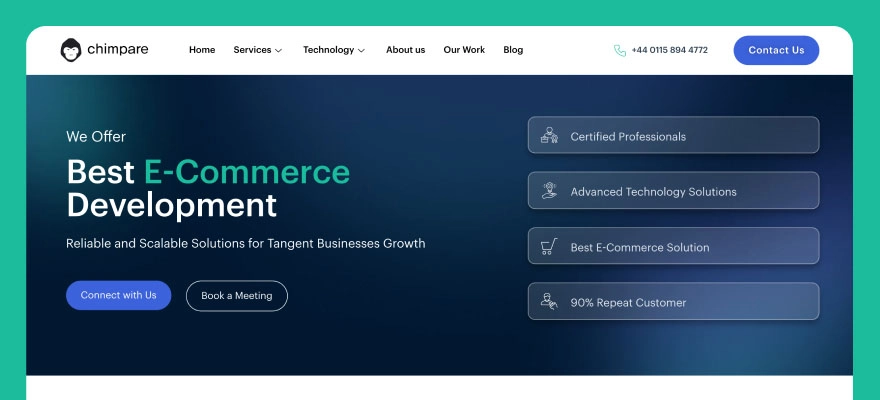
    UK-based company Chimpare provides web, mobile, and specialised software solutions designed to meet corporate objectives. Specialising in creating digital platforms that boost operating efficiency, improve user experience, and produce quantifiable return on investment for customers, the firm 

    Chimpare has aided over 1,000 companies across sectors, including retail, healthcare, gaming, hospitality, and fitness create digital products with global teams and presence in many areas. Both startups and well-known companies have benefited from Chimpare’s help. 

    Founded as Chimpare Designs and operating as an active for-profit company, it positions itself as a full-service UX/UI and development agency providing mobile apps, websites, and digital marketing under one roof. 

    • A tailored shop design based on specific business procedures and consumer journeys is known as custom eCommerce development.
    • Scalable web platforms are high-performing websites built with cutting-edge technology to increase engagement and conversions.
    • Progressive and hybrid web applications that function well on a range of hardware and operating systems are known as cross-platform apps.
    • Strong focus on data security and safe development methods for corporate data defines a safe infrastructure.
    • Performance analytics, campaign optimisation, and ROI-driven tactics to increase store visibility make up digital marketing integration.

    GoodCore Software 
    GoodCore Software

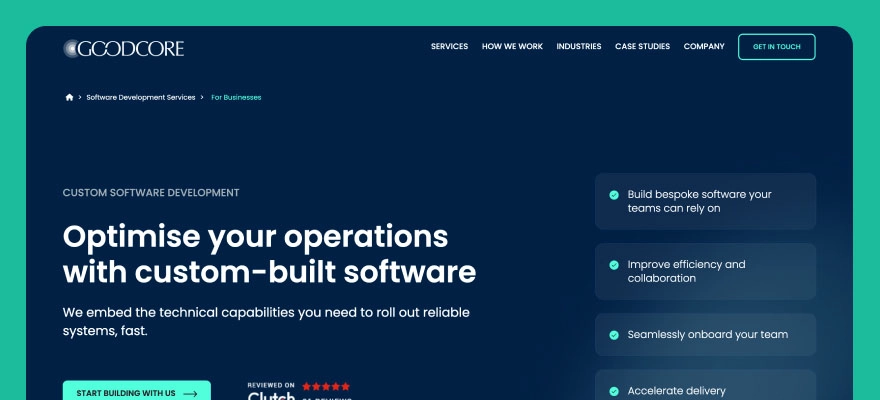
    GoodCore Software is renowned for providing highly customised online stores created around particular corporate objectives as well as enterprise-grade digital solutions. Rather than depending on pre-built templates, their team concentrates on custom eCommerce creation that fits a brand’s workflow, audience behaviour, and growth plan. Beginning with this method guarantees every platform they build is adaptable, scalable, and ideally performing, hence they are a great option for companies seeking more than just a typical online store. 

    GoodCore distinguishes itself via its solid technological basis and forward-looking development philosophy. Their engineers create systems that can gracefully manage high traffic loads, therefore brands anticipating fast expansion or conducting major campaigns need this. Their deep knowledge of contemporary integrations and scalable design enables them to create stores that are prepared to grow as business demands change and run effectively now. 

    • High-performance architecture for fast loading and stability.
    • Scalable infrastructure that supports business growth.
    • API-first development for seamless third-party integrations.
    • Secure frameworks to protect transactions and user data.
    • Custom-built solutions tailored to business requirements.

    Waracle 
    GoodCore Software

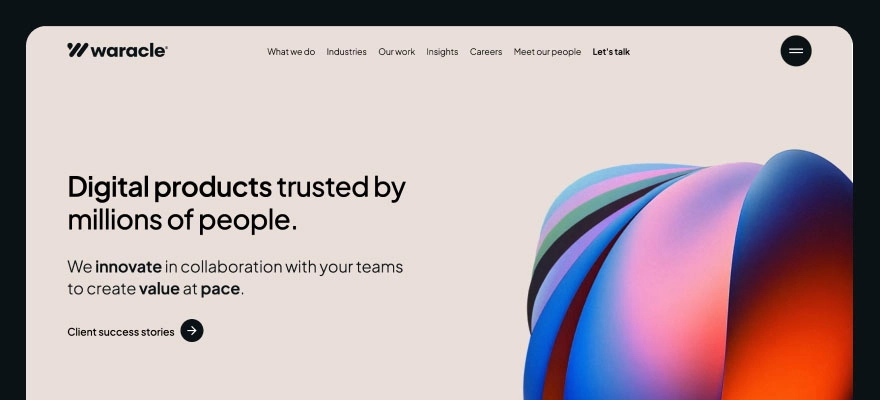
    Renowned for building contemporary, high-performance eCommerce systems combining strategy, user experience design, and cutting-edge development techniques, Waracle is a British digital technology business. They view every project as a whole digital ecosystem rather than as merely product catalogues in their online stores. Before writing a single line of code, their crew concentrates on learning consumer behaviour, brand identity, and corporate objectives.  

    This strategic approach helps them create platforms designed for conversions, scalability, and long-term development as well as aesthetically pleasing ones. Their knowledge qualifies them well for companies looking for more than only a utilitarian store. They seek a remarkable purchasing experience. 

    Its best characteristics include Waracle’s mobile-first, customer-focused approach. Particularly important for modern consumers, like Gen Z, who expect fast, smooth contacts, their e-commerce goods are designed to seem modest, straightforward, and aesthetically pleasing.  

    From lightning-fast load rates and flexible layouts to flawless checkout systems and linked analytics, Waracle guarantees every touchpoint is performance and utility-optimised. From lightning-fast load rates and flexible layouts to flawless checkout systems and linked analytics, Waracle guarantees every touchpoint is performance and utility-optimised. 

    Key Features: 

    • Mobile-first storefront architecture
    • UX-driven interface design
    • Scalable cloud-ready infrastructure
    • API integrations with third-party tools 
       
    • Performance optimization for speed
    • Secure payment and checkout systems

    Redweb 

    Waracle

    Built high-performance online stores for top brands requiring dependability, speed, and long-term scalability, Redweb is a renowned digital agency. Their method gives user experience a lot of weight, so making certain every eCommerce site they build is simple, reachable, and conversion-focused. Their team gives strategic planning, technical accuracy, and organised development top priority over hurried fast launches, so companies have platforms that can steadily expand over time. 

    Redweb’s dedication to future-ready design distinguishes it among current e-commerce growth firms. They develop platforms that can manage traffic surges, interact with outside systems, and grow in accordance with business demands. This makes them a good choice for businesses searching for a steady, enterprise-level store instead of a stopgap fix. 

    Key eCommerce Features: 

    • UX-driven interface design for better customer journeys.
    • Accessibility-compliant storefronts.
    • Scalable architecture for business growth.
    • High-performance optimisation for speed and stability.
    • Secure integrations with payment gateways and APIs.
    • Long-term technical support and maintenance.

    Cyber-Duck 
    Waracle

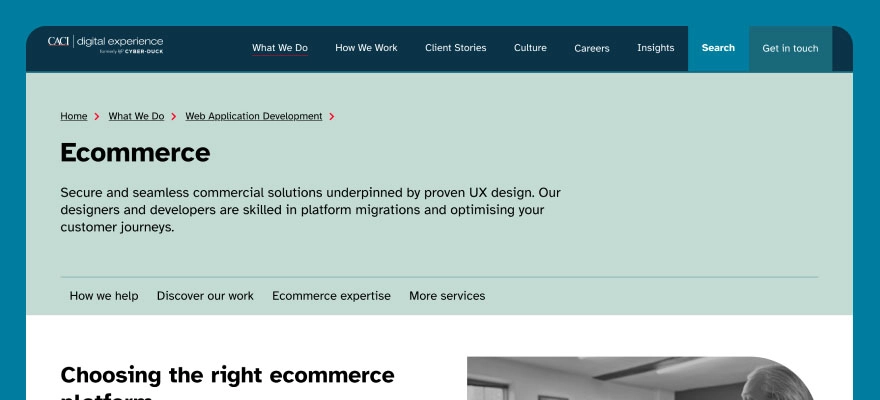
    Headquartered in the UK, Cyber-Duck creates top-performing eCommerce sites by combining behavioural science with technology. Their team studies consumer purchasing, clicking, and thought process rather than focusing solely on design or development; then uses those insights to construct virtual stores that easily lead visitors toward purchase choices. This systematic strategy enables companies to boost conversions, lower bounce rates, and raise participation. 

    Its great technological basis makes cyber-duck particularly interesting among contemporary e-commerce development firms. Their designs include secure architectures, scalable cloud settings, and performance optimisation approaches, ensuring stability even during traffic spikes. Often thinking of Cyber-Duck as a dependable partner, companies seeking a conversion-focused, safe, and fast store often rely on it. 

    Key eCommerce Features: 

    • Behavioural UX design for higher conversions.
    • Enterprise-grade security frameworks.
    • Cloud-based scalable infrastructure.
    • Conversion rate optimisation tools.
    • Performance and speed optimisation.
    • Integration with third-party APIs and systems.

    Propeller 
    Propeller

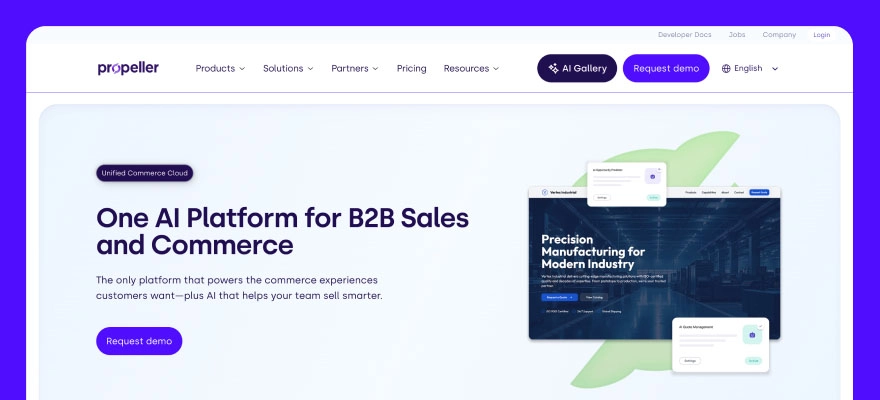
    Renowned for developing beautiful and practical virtual storefronts for customers in the fashion, leisure, and luxury industries, British contemporary e-commerce website development firm Propeller specialises in design. Their strategy of rapid growth with inventive branding guarantees that every store maintains usability while accurately representing the brand. They create amazing, dynamic, client-specific custom shopping experiences instead of using typical templates. This is an excellent option for businesses seeking a bold store with consistent performance. 

    What really distinguishes Propeller is its capacity to combine design narrative with technical accuracy. Their eCommerce sites usually have narrative-style product pages, smooth animations, and fast loading rates that keep customers interested from landing to checkout. Making certain that stores not only appear amazing but also produce quantifiable results, they concentrate on performance optimisation, responsive layouts, and conversion-focused designs. This mix of creativity and engineering explains why Propeller stays among the best e-commerce development firms for companies looking for strong and interesting digital storefronts. 

    Key features: 

    • Storytelling-driven product page design.
    • Smooth UI animations and transitions.
    • High-speed performance optimization.
    • Conversion-focused UX layouts.
    • Custom branding integration.

    Magneto IT Solutions 
    Magneto IT Solutions

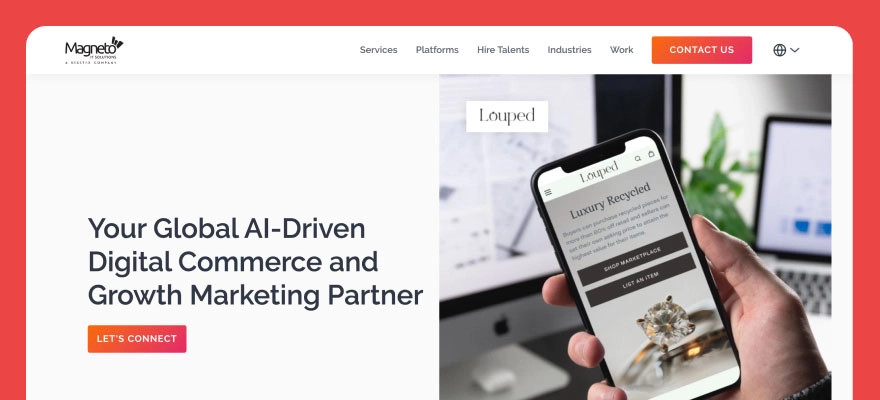
    Top e-commerce development firms have come to view Magneto IT Solutions as one that offers effective, scalable, conversion-focused online businesses. Their staff excels in Magento, Shopify Plus, and headless commerce design, hence allowing them to develop flexible stores fit for a company’s needs. Their focus is on performance-driven development, which ensures rapid loading, effective administration of large traffic, and a consistent purchasing experience over devices. 

    Their capacity to manage sophisticated backend integrations really distinguishes them. Connecting eCommerce systems with important business systems like ERP, CRM, and inventory management tools is Magento’s focus. This distinguishes them as the first choice for mid-sized and corporate companies looking for automation, real-time data synchronisation, and efficient operating procedures, rather than only a basic online store. 

    • Knowledge of Magento, Shopify Plus, andheadless commerce systems.
    • Integrations of advanced CRM, ERP, and inventory systems.
    • Architectures for high-performance traffic that is high-performance.
    • Custom checkout optimisation for higher conversions.
    • Mobile-first and responsive storefront design.
    • Secure payment gateway integrations.
    • Scalable cloud-ready infrastructure for business growth.

    Brainvire 
    Brainvire

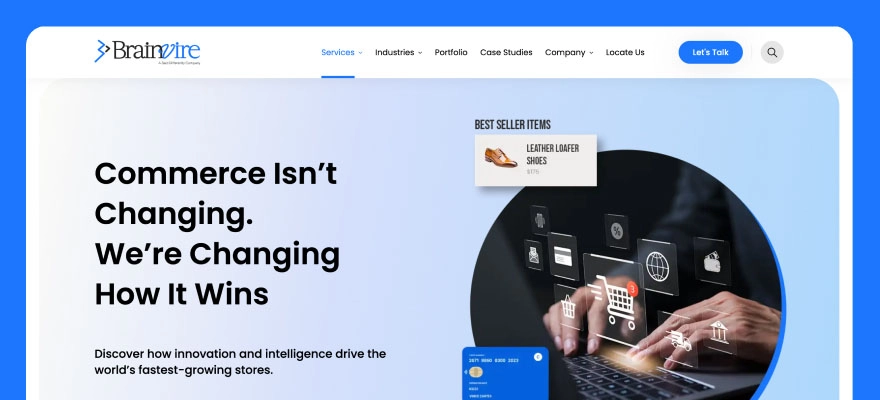
    Brainvire is well known for building enterprise-level eCommerce platforms for organisations looking for more than only a simple internet store. Their method helps companies manage enormous traffic, large product catalogues, and multi-channel sales without running into performance problems by combining smart technology with scalable architecture. Many businesses looking to expand quickly in competitive areas choose them because of their expertise in building digital commerce ecosystems that support long-term success. 

    Brainvire’s combining of modern technologies into store operations is what really distinguishes it. Their solutions sometimes include artificial intelligence-driven systems that boost conversion rates, automate activities, and improve customer experience. Rather than just starting websites, they build data-driven business systems that constantly analyse user behaviour and improve results. 

    Key eCommerce Features: 

    • AI-powered recommendation engines.
    • Predictive search functionality.
    • Personalised shopping experiences.
    • Advanced analytics dashboards.
    • Automation for inventory and operations.
    • Scalable cloud-ready architecture.

    Suffescom Solutions 
    Suffescom Solutions

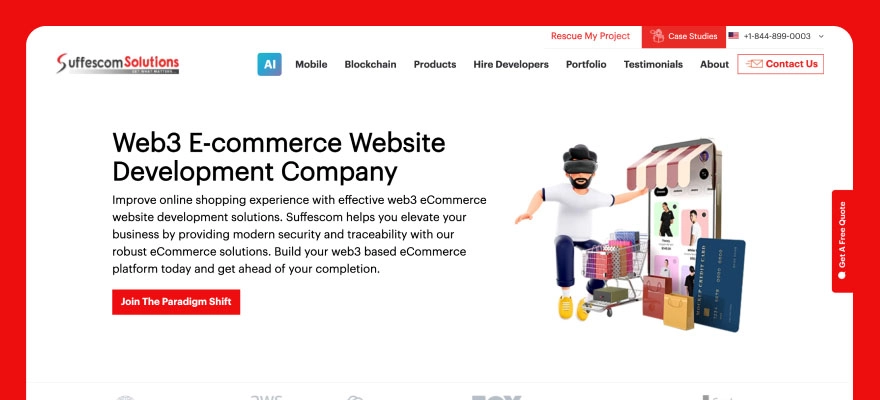
    Developed for fast-growing businesses, SMEs, and startups, Suffescom Solutions is well-known for offering reasonably priced, scalable e-commerce solutions. Their development plan strives for balance among speed, performance, and flexibility. Companies wanting to start swiftly without sacrificing quality will find these great alternatives. Their team creates ordered structures that can develop with a firm, therefore guaranteeing long-term stability and flawless user experiences, rather than depending only on pre-built templates. 

    They want high-performing digital commerce ecosystems, including mobile commerce apps, multi-vendor portals, and marketplace systems. For companies and entrepreneurs looking for feature-rich stores ready for scale right now, this makes them especially appealing. 

    Key Features: 

    • Custom marketplace development with multi-vendor functionality.
    • Mobile-optimised and app-ready store architecture.
    • High-speed performance optimisation.
    • Secure payment gateway integration.
    • Scalable backend systems for growing traffic.
    • User-friendly dashboards for store management.

    Folio3
    Folio

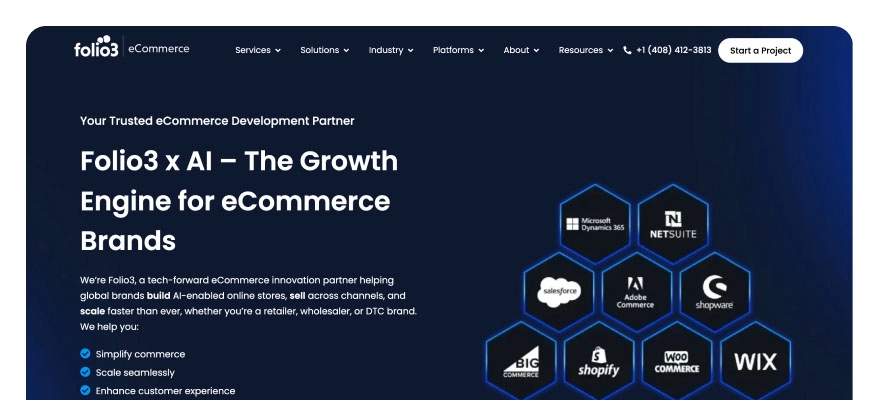
    Among the trustworthy e-commerce development companies noted for providing corporate-level internet businesses with performance, scalability, and long-term growth, Folio3 stands out. By integrating, among other contemporary technologies, AI-automated systems and cloud architecture, companies may effectively run their business and offer clients perfect purchasing experiences.  

    Folio3 offers customised design instead of depending on ready-made templates, hence companies have platforms designed just for their processes, audience behaviour, and growth plan. 

    Speed, security, and flexibility set Folio3 apart. Their development team guarantees online stores are created for fast loading speeds, secure payments, and easy device navigation. Businesses looking for more than only a website, those looking for a scalable commerce ecosystem able to handle great traffic, integrations, and shifting consumer expectations, this approach makes them an ideal choice. 

    Key eCommerce Features: 

    • Custom-built store architecture.
    • Cloud-based hosting infrastructure.
    • AI-powered automation tools.
    • Secure payment gateway integrations.
    • API integrations with ERP, CRM, and inventory systems.
    • Performance optimisation for high traffic.
    • Mobile-responsive and cross-device compatibility. 

    Struggling with slow site conversions?

    Craft conversion-crushing eCommerce


    Talk to Our Experts Now

    Why Chimpare is the Right Choice?

    Usually, when assessing e-commerce development companies are three criteria: performance, reliability, and invention. Unlike online businesses only, Chimpare sets itself apart by building high-performance commercial ecosystems meant for growth.  


    Successful 2026 e-commerce sites need fast loading, flawless scalability under traffic surges, and customised shopping experiences among their criteria. To guarantee every store is constructed for real-world performance, not only launch-day impressions, Chimpare combines contemporary frameworks, optimised backend architecture, and user-centred design. 


    Chimpare’s first strategic development approach is one of the main reasons companies pick it over other e-commerce site development firms. The team reviews business models, target markets, and conversion funnels before diving right into code. This lets them create platforms with appropriate information architecture, simple navigation flows, and optimised checkout systems, all of which directly affect sales. Their development approach guarantees the frontend experience is as good as the backend logic by matching UI/UX design with technical infrastructure. 


    Chimpare also keeps up with modern commerce trends that Gen Z shoppers expect as standard. Mobile-first layouts, lightning-fast page speed optimisation, safe payment gateway integration, and API-based third-party interfaces are regarded as necessities rather than extras. Their constructs employ scalable architecture so companies may grow without having to start from scratch, whether inventory systems, CRMs, or marketing automation tools are incorporated. 


    Another advantage is flexibility. Many e-commerce website development businesses in the UK or e-commerce website development companies in Dubai provide fixed packages; however, Chimpare tailors its solutions to meet the objectives of each brand. Whether a company requires a custom storefront, a market platform, or a headless commerce configuration, their team can adjust the technical stack appropriately. This means customers get systems created around their processes rather than being pressured into templates. 


    Security and stability are also major strengths. Modern online stores must abide by SSL encryption standards, safe transaction methods, and criteria for secure data management. Chimpare promises strong security layers, performance monitoring, and uniform optimisation on every platform so businesses may operate with confidence, free from worry over defects or downtime. 


    Chimpare isn’t just another name among top ecommerce development companies — it’s a growth partner. Their combination of technical know-how, methodical planning, and user-focused design qualifies them as the perfect fit for companies seeking more than just a typical store. They create future-ready, scalable, quick platforms that are also intelligent. 

    Tired of weak eCommerce performance?

    Build unbeatable stores now.


    Start Your Project Today

    Conclusion

    Selecting among the abundance of e-commerce development businesses available today can feel perplexing, but the disparity between an average online store and a strong one comes down to the crew behind it. Agencies that grasp performance optimisation, secure payment architecture, scalable cloud infrastructure, and user-centric design create the most successful platforms in 2026.  

    Businesses comparing e-commerce website development companies in the UK or e-commerce website development companies in Dubai are no longer just looking for developers; they want strategic partners who can build fast, flexible, and conversion-driven stores that grow with their brand. 

    That’s exactly where Chimpare stands out among the top e-commerce development companies. Their approach blends technical expertise with creative thinking to deliver tailored commerce platforms rather than generic templates.  

     As the e-commerce industry continues to evolve with trends like mobile-first shopping, AI personalisation, and seamless integrations, e-commerce website development companies that prioritise innovation and scalability will lead the market and businesses that choose the right partner today will be the ones dominating tomorrow’s digital storefronts. 

    At the end of the day, SPAs are more than genuinely a fashion; they represent the future of web app development. Whether you’re a startup developing your first product or an agency enhancing consumer experiences, employing the correct framework will help you continue to be ahead in a trendy, aggressive digital marketplace. 

    If you need to create an excessive-performance single-page utility, paintings with an experienced web app development business enterprise including Chimpare. Our team of workers assists you in choosing the high-quality Application Framework for Web App Development, making sure that your app works quickly, looks incredible, and presents a first-rate user experience. 

    FAQs


    How do I choose the best eCommerce development company for my business?


    Their technical know-how, portfolio, customer reviews, and ability to build scalable systems will assist you in choosing the best partner. A good company would understand your goals, recommend the right technological stack, and provide post-launch support


    Modern online stores have several features, including mobile-first design, fast loading speed, secure payment gateways, AI-powered personalisation, flawless checkout, and integration with CRM, ERP, and analytics tools. These qualities ensure performance and customer delight.


    Template stores are inexpensive and quick to set up, despite their limited versatility. Custom development, on the other hand, provides complete control over design, functionality, integrations, and scalability, making it ideal for start-ups or corporations. 


    Scalability means that your store can manage more visitors, product listings, and transactions without slowing down or failing. This is especially important during sales campaigns, festive seasons, and viral product introductions.


    Yes, most reputable organisations provide maintenance and support services that include bug patches, feature upgrades, security updates, and performance monitoring. Continuous assistance keeps your store safe, quick, and competitive.

    Found this post insightful? Don’t forget to share it with your network!



    Related Articles

  • Why is Everyone Investing in E-Commerce Website Development?

    Why is Everyone Investing in E-Commerce Website Development?

    Why is Everyone Investing in E-Commerce Website Development_-1
    [ez-toc]

    It​‍​‌‍​‍‌​‍​‌‍​‍‌ is an idea that e-commerce is “just another digital trend”, but online shopping has really changed a lot in a few years. From a simple way to buy what you need, it has become the main way people buy almost anything, from necessities to expensive products.

    Worldwide e-commerce sales will reach $6.3 trillion in 2024, according to Statista. And, this figure is going to increase at a quicker pace as more people decide to shop online rather than in-store permanently.

    This exponential growth is the main reason why brands of any size are calling e-commerce development service providers and creating digital stores that can meet the requirements of customers who are constantly changing their ​‍​‌‍​‍‌​‍​‌‍​‍‌behaviour.

    The​‍​‌‍​‍‌​‍​‌‍​‍‌ change in consumer behaviour is probably the biggest factor that has enabled e-commerce has thrive so well. People now get their information from their mobiles, look for products, and decide what to buy in a completely different way.

    Customers demand quickness, ease, and absolute freedom of choice. They do their shopping on mobile, check out the options on the net, get feedback while they are on the way, and expect a flawless buying process all the way ​‍​‌‍​‍‌​‍​‌‍​‍‌through. 

    Small​‍​‌‍​‍‌​‍​‌‍​‍‌ businesses, local brands, and even the most influential retailers are teaming up with an e-commerce website development company to build trendy, mobile-friendly shopfronts that will allow them to stay up-to-date. 

    Accessibility​‍​‌‍​‍‌​‍​‌‍​‍‌ is one of the significant trends that have made e-commerce a must-have. A nicely formatted online store has the potential to attract customers from cities, countries, and even different continents. In other words, a business that was locally dependent on foot traffic can now sell worldwide with the help of a professional e-commerce development agency.

    Consequently, if someone were to ask, “Why are people investing their money in e-commerce?” the answer would be that it is much more than just having an online store. It is about building a scalable, data-driven system that increases revenue, customer base, and customer loyalty over ​‍​‌‍​‍‌​‍​‌‍​‍‌time.

    If you are aiming to grasp the growth of e-commerce, initiating your first digital business, or refreshing an old one, the trend will still be here for a long time. E-commerce is not just a term that has lost its meaning, but it is the basis of business in the present-day ​‍​‌‍​‍‌​‍​‌‍​‍‌world.

    Online sales are losing potential buyers.

    Launch a seamless shopping experience.


    Book Your Free Consultation

    What is E-Commerce Website Development?

    E-commerce website creation is the process of creating a digital storefront where clients can browse products, make secure payments, and track their orders using any device. It’s simply an online version of a physical store, but much more powerful because it’s open 24/7 and serves people all over the world.

    With online shopping becoming the new normal, businesses are investing in expert e-commerce development services to design websites that load quickly, appear current, and provide a pleasant purchasing experience.

    To​‍​‌‍​‍‌​‍​‌‍​‍‌ know how an e-commerce site is created, the best way is to visualise it as the integration of tech, user experience, design, and backend logic, resulting in a single platform. E-commerce websites can manage product listings, customer accounts, orders, inventory, and payment processing, and they are designed to be secure as well as mobile-responsive.

    It’s the main reason why a lot of businesses decide to hand over the e-commerce website development task to a professional agency that will be able to guarantee that their systems are not only secure but also scalable, thereby enabling them to grow their business in a sustainable ​‍​‌‍​‍‌​‍​‌‍​‍‌way.

    E-commerce development also requires selecting the appropriate platform. Open​‍​‌‍​‍‌​‍​‌‍​‍‌ source platforms like WooCommerce or Magento give businesses total creative freedom, while SaaS platforms like Shopify or BigCommerce focus more on user-friendliness and fast setup.

    Because they detach the frontend from the backend, thus enabling the creation of extremely customised experiences by marketers without any restriction, Headless or MACH-based architectures have become quite popular over the last couple of ​‍​‌‍​‍‌​‍​‌‍​‍‌years.

    E-commerce​‍​‌‍​‍‌​‍​‌‍​‍‌ development is not simply about enhancing the visual aspect of a website. It involves creating a robust digital base that is capable of managing traffic, protecting customer data, offering personalised shopping experiences, and changing along with the business.

    If a firm is merely seeking to grasp the concept of e-commerce development or is getting ready for global scaling, a properly developed e-commerce site has become the core of contemporary retail, which is the main reason why it is attracting investments from all ​‍​‌‍​‍‌​‍​‌‍​‍‌quarters.

    What are the Key Drivers Behind the E-Commerce Boom?

    The​‍​‌‍​‍‌​‍​‌‍​‍‌ global movement to shop online is not a matter of chance; it is influenced by changes in people’s lifestyles, their embrace of technology, and the growing demand for convenience.  Consequently, companies across various sectors are seeking the help of e-commerce development services to build online storefronts which are in line with the requirements of technologically advanced ​‍​‌‍​‍‌​‍​‌‍​‍‌customers.

    1. Changing Consumer Behaviour & Global Accessibility

    The​‍​‌‍​‍‌​‍​‌‍​‍‌ way consumers behave has changed drastically over 3-4 years. Now, people find products through social media, check prices online, get and read reviews without any delay, and also expect fast deliveries, and all these they do from their mobile phones.

    This change has made the creation of an e-commerce site vital for companies that want to be where their customers already are. A brick-and-mortar store, with the help of an online shopping platform, can now make sales in other states, countries, or even ​‍​‌‍​‍‌​‍​‌‍​‍‌continents.

    2. 24/7 Storefront and Ultimate Convenience

    An e-commerce website doesn’t sleep. It runs around the clock, accepts orders anytime, and serves customers even when your team is offline. For customers, browsing late at night or ordering on the go feels effortless. For businesses, it means steady revenue flows and more opportunities to convert visitors into buyers, one of the biggest advantages of what e-commerce website development is today.

    3. Lower Operational Costs Compared to Physical Stores

    Running a physical store involves rent, electricity, staffing, maintenance, and more. An online store costs significantly less to build and operate. Companies​‍​‌‍​‍‌​‍​‌‍​‍‌ require just a well-designed website, hosting, a payment gateway, and a little bit of maintenance.

    The marketing expenses are also reduced because of digital strategies such as SEO, targeted ads, and retargeting. This saving in costs is the main factor why a great number of enterprises decide to employ an e-commerce website development agency instead of investing in physical ​‍​‌‍​‍‌​‍​‌‍​‍‌stores. 

    4. Scalability and Flexibility for Growing Businesses

    Scalability​‍​‌‍​‍‌​‍​‌‍​‍‌ is perhaps the most overlooked advantage of an e-commerce development to be able to rescale a business is just so much easier online than offline. When a business expands outside the web, it requires a larger store, more storage space, and more employees.

    On the contrary, there is no need to do all these things on the web, as one can just upgrade their hosting, add more product categories, integrate new tools, and scale as they want. It is this adaptability that scaling brands choose to work with an e-commerce development company experienced in the field to be able to keep their platform up to date and ready for the ​‍​‌‍​‍‌​‍​‌‍​‍‌future. 

    5. Data-Driven Growth Through Analytics & Personalisation

    One​‍​‌‍​‍‌​‍​‌‍​‍‌ of the strongest points in favour of online commerce is, in fact, its ability to track and analyse every interaction. Every click, query, and buying operation is accompanied by a data trail that firms can follow in order to have a deeper insight into their clientele. By employing analytics instruments, companies can realise what products are in demand, which websites yield the best results, from where the users drop off, and what they desire next.

    With the help of proper integrations, CRM, AI-driven suggestions, and automated email flows, companies can offer personalised shopping experiences that make customers loyal. Such accuracy is just not possible in local stores, which is a major reason why the popularity of e-commerce development services keeps rising.

    What are the Must-Have Features & Best Practices That Make a Good E-Commerce Website?

    An e-commerce website has to provide a full shopping experience that is both comfortable and trustworthy. To meet customer demands for a level of convenience comparable to Amazon, companies have become dependent on e-commerce development services for the creation of their websites being capable of turning their traffic into sales. 

    User Experience & User Interface

    A​‍​‌‍​‍‌​‍​‌‍​‍‌ UI/UX is basically the core of any e-commerce website development that is aimed at success. Easy navigation, responsive designs, and an excellent mobile experience can hardly be considered as features any more that can be simply chosen. Properly organised menus, category layouts, and clean product pages make it easier for customers to find what they are looking for, thus resulting in higher basket values and customer ​‍​‌‍​‍‌​‍​‌‍​‍‌loyalty. 

    Secure and Seamless Checkout

    Customers drop off when checkout feels complicated. A simplified flow with fewer clicks, multiple payment gateways, digital wallets, and PCI-compliant security instantly builds trust. E-commerce stores that offer one-click checkout report 20–25% fewer abandoned carts, which is why any reliable e-commerce development company prioritises secure, frictionless payment funnels.

    Smart Product Catalogues & Search Functionalities

    From high-quality product images to advanced filtering, sorting, and predictive search, your catalogue must help shoppers make quick decisions. Features such as dynamic inventory updates, variant selection, and detailed product pages improve user understanding. Furthermore, modern e-commerce development is very much dependent on AI-powered search tools that facilitate customer satisfaction and sales growth. 

    Performance, SEO, and System Integrations

    Pages​‍​‌‍​‍‌​‍​‌‍​‍‌ that load quickly and a website with better performance have an immediate positive effect on conversions. Good SEO, organised content, and product metadata are the main factors that ensure Google findability. At the same time, links with CRM, ERP, inventory systems, and marketing automation tools allow companies to grow without any problems. In order to protect the brand and the customer, it is equally important to have the latest security features like SSL, firewalls, and fraud detection. ​‍​‌‍​‍‌​‍

    Social Proof, Reviews & Analytics

    Customer reviews and user-generated material offer the authenticity that modern customers seek. When paired with analytics dashboards and data tracking, businesses can constantly analyse customer activity, refine funnels, and improve their website strategy. This data-driven strategy is one of the most significant advantages of modern e-commerce website construction.

    What are the Popular Types of E-Commerce Platforms?

    It​‍​‌‍​‍‌​‍​‌‍​‍‌ is a must to select the best e-commerce platform when you intend to build a successful online website. Each organisation is different; certain ones need absolute control over the process, some are satisfied with a plug-and-play solution, and others might need a very scalable ​‍​‌‍​‍‌​‍​‌‍​‍‌infrastructure. By knowing different platforms, companies can pick a platform which is in line with their growth objectives, financial plan, and future ​‍​‌‍​‍‌​‍​‌‍​‍‌dreams.

    1.  Open-Source Platforms

    One​‍​‌‍​‍‌​‍​‌‍​‍‌ of the main advantages of open-source platforms is their compatibility with companies which require a high degree of customisation and wish to retain full control over their store. Businesses​‍​‌‍​‍‌​‍​‌‍​‍‌ may use well-known platforms such as WooCommerce and Magento to develop custom user interfaces, connect with third-party services, and keep on improving store functionality.

    • Best for: Businesses seeking custom features and complete control. 
    • Pros: Very flexible, scalable, developer-friendly, cheap, long-term. 
    • Cons: It necessitates technical skills, and the e-commerce development company must carry on the ​‍​‌‍​‍‌​‍​‌‍​‍‌maintenance.


    2. SaaS Platforms

    SaaS platforms are a favourite among startups and small to mid-sized businesses because they’re easy, fast, and require zero hosting worries. Shopify powers millions of stores worldwide, proving how popular the “build fast and launch faster” model has become. Such​‍​‌‍​‍‌​‍​‌‍​‍‌ platforms present drag-and-drop builders, include security, and hundreds of apps, great for any user planning to start selling fast.

    • Best for: Entrepreneurs and expanding brands that require simplicity and speed. 
    • Pros: Fast setup, no server handling, mobile-friendly themes, vibrant ecosystem. 
    • Cons: Finite backend control, monthly subscription charges, and limited customisation in comparison with ​‍​‌‍​‍‌​‍​‌‍​‍‌open-source.


    3. Headless Commerce / MACH Architecture

    Headless​‍​‌‍​‍‌​‍​‌‍​‍‌ commerce is a trend that is rapidly gaining popularity in the field of modern e-commerce development. The term MACH stands for Microservices, API-first, Cloud-native, and Headless. Such architecture is detaching your frontend from your backend, which is allowing enterprises the liberty to create ultra-fast, tailor-made experiences for web, mobile apps, smart devices, kiosks, and so ​‍​‌‍​‍‌​‍​‌‍​‍‌on.

    • Best for: Large brands and growing enterprises seeking specialised, future-proof shopfronts.
    • Pros: High performance, adaptability, future readiness, and support for multi-channel experiences.
    • Cons: Requires an expert e-commerce development services team to implement and maintain.


    Quick Comparison: Pros and Cons of Each Approach


    Platform Type

    Pros

    Cons

    Best For

    Open-Source (WooCommerce, Magento)

    Full customisation, scalability, and complete control

    Needs development skills, requires security management

    Businesses needing custom features

    SaaS (Shopify, BigCommerce)

    Easy setup, no hosting issues, fast go-live

    Limited backend control, dependency on the platform

    Startups, SMBs, quick launches

    Headless (MACH Architecture)

    Ultra-fast, API-driven, omnichannel, future-ready

    Higher development cost, requires technical expertise

    Large brands, enterprise scaling

    How to Build (Or Plan) Your Own E-Commerce Website?

    Outdated frameworks limit your app’s reach and responsiveness.

    Empower growth with modern SPA technologies.


    Talk to Our Experts Now

    Today, having an online store is more than just posting things on a website; it’s about providing the trustworthy and speedy experience that today’s digital buyers expect. Businesses are putting money heavily into creating e-commerce websites to be able to access clients worldwide. If you are a startup, a retail brand, or a business that is growing, then the right way of organising your e-commerce website will be the basis of your success in the long run.

    1. Define Your Business Goals, Target Audience & Niche: 

    Before you even think about designing, knowing the target audience and the product or service is something that must be done first. It means that you have to determine your niche, the ideal customer persona, the revenue model, and the brand identity.

    The majority of winning stores, in particular, those supported by a well-experienced e-commerce development company, commit a lot of time to understanding the market demand, competitors, and user expectations. Being clear about your objectives is the way to pick the suitable platform, functionalities, and design ​‍​‌‍​‍‌​‍​‌‍​‍‌style.

    2. Choose Your Domain, Hosting & Platform:

    A​‍​‌‍​‍‌​‍​‌‍​‍‌ domain is basically the face of your store, and the success of your website is going to be based on its hosting. Based on your requirements and money, you may choose a source of good solutions like WooCommerce/Magento, a SaaS platform like Shopify, or a high-technology setup like headless commerce.

    If you are buying a store, then think about factors like freedom, traffic, safety, and user ​‍​‌‍​‍‌​‍​‌‍​‍‌experience. Eventually, working with a great online store design and development agency will ease the process and, in fact, be more ​‍​‌‍​‍‌​‍​‌‍​‍‌cost-effective.

    3. Design Your UX/UI for a Smooth Shopping Experience:

    Customers​‍​‌‍​‍‌​‍​‌‍​‍‌ demand websites that are easy to use, have attractive pages, and have perfect mobile versions. In order to build a reliable and user-friendly experience, your store will get wireframes, prototypes, visual design, and interactive elements through this stage.

    Proper e-commerce development is basically a silent helper working behind the scenes to make sure users are able to locate products, see the details, use filters, and make a purchase quickly and easily without unnecessary ​‍​‌‍​‍‌​‍​‌‍​‍‌steps.

    4. Implement Shopping Cart, Checkout & Secure Payments:

    A​‍​‌‍​‍‌​‍​‌‍​‍‌ checkout flow is one of the main reasons why a customer might rethink abandoning their cart. Features such as guest checkout, various payment options, secure payment gateways, and tax/shipping calculations that are automated are some of the functionalities you will need.

    Observing PCI-DSS compliance and SSL encryption are the main factors that create trust, which is necessary in the case of online transactions. This is the point where professional e-commerce development services can be of great ​‍​‌‍​‍‌​‍​‌‍​‍‌help.

    5. Integrate Tools: Analytics, CRM, ERP & Marketing Automation:

    An​‍​‌‍​‍‌​‍​‌‍​‍‌ e-commerce business of what is called firm of the second or third generation, may require combining your website with the following systems for a successful operation: CRM systems, ERP software, inventory management tools, email marketing platforms, and analytics dashboards.

    These connectors make it possible for shops to automate operations, monitor their performance, and personalise customer journeys. Automation can be a great time saver that can easily do away with several hundred working hours every month in the case of stores with a high order ​‍​‌‍​‍‌​‍​‌‍​‍‌volume.

    6. Optimise for Speed, SEO & Security:

    Fast​‍​‌‍​‍‌​‍​‌‍​‍‌ and safe websites are more appealing, rank better and are a major factor in client trust. Speed optimisation, compressed images, CDN integration, on-page SEO, schema markup, and security best practices are all there to help your store stay in the running. Just a 1-second enhancement in loading speed can lead to a conversion rate increase of up to ​‍​‌‍​‍‌​‍​‌‍​‍‌7%.

    7. Test, Launch, Monitor & Iterate

    There​‍​‌‍​‍‌​‍​‌‍​‍‌ are different aspects of testing that your website should go through before it is released. These include UI/UX testing, cross-device checks, browser compatibility, payment testing, load testing, and overall QA.

    After the launch, keep an eye on the data, observe the users’ behaviour, and make the changes to the features that are backed up by the actual data. The online business model is not a “one-time” thing; continuous enhancements are the very thing that will allow you to grow in a stable ​‍​‌‍​‍‌​‍​‌‍​‍‌manner.

    What are the Common Mistake To Avoid During E-commerce Website Development?

    While​‍​‌‍​‍‌​‍​‌‍​‍‌ online shopping is on the rise, e-commerce websites do not all go well. Many​‍​‌‍​‍‌​‍​‌‍​‍‌ businesses do not succeed in acquiring customers, increasing their sales, and maintaining the trust of their clients merely because their website was poorly designed. Whether you are partnering with an expert e-commerce website development company or doing everything on your own, by simply turning off these common mistakes, you can save your store from bad performance, low conversions, and high unnecessary ​‍​‌‍​‍‌​‍​‌‍​‍‌spending.

    1. Choosing the Wrong Platform or Over-Customising Without a Plan

    One of the biggest mistakes which are frequently made is choosing a platform only based on its popularity without considering how well it fits your business. Small businesses may find the intricacy of Magento too much for them, while rapidly growing businesses may find SaaS platforms like Shopify more beneficial.

    Excessive customisation without a clear plan is another problem. It makes scaling, integrations, and future changes extremely challenging. Matching platform choices to long-term scalability, budget, traffic expectations, and business objectives is the first stage in any intelligent e-commerce development service.

    2. Ignoring Site Speed: Heavy Images, Cluttered Code & No Optimisation

    A slow website kills conversions, and Google also ranks slow pages lower. Many sites suffer because images aren’t compressed, code is bloated, or the hosting isn’t strong enough. 

    Performance optimisation, CDN, caching, lazy loading, and minified code are a must for every e-commerce website development project. Shoppers don’t wait, especially in competitive niches.

    3. Weak Security Setup & Poor Payment Integration

    Without​‍​‌‍​‍‌​‍​‌‍​‍‌ a doubt, security must be at the highest level in online trading. Not having SSL, PCI-DSS conformity, data encryption, or safe payment gateways properly set up means that the store, as well as the customers, are in danger. A single incident of such can, however, be enough to brand your reputation forever.

    To be on the safe side, trustworthy e-commerce developers are implementing, by default, multi-layered security, fraud detection, and secure checkout processes that are their standard solutions since they acknowledge that trust is the main driver of conversion ​‍​‌‍​‍‌​‍​‌‍​‍‌rates.

    4. Forgetting Mobile Users or Ignoring Responsive Design

    E-commerce traffic is through mobile devices. Therefore, a business that is only designed for desktops may be severely disadvantaged. Users of websites that do not resize for their different screens have their sessions ended prematurely, and the rate of conversions is low.

    To be successful in online retail, these features are now a must: responsive layouts, mobile-first UI, navigation that is convenient for the thumb, and product pages that load ​‍​‌‍​‍‌​‍​‌‍​‍‌quickly.

    5. Poor SEO, Weak Product Data, Bad UX & Complicated Checkout

    Lots​‍​‌‍​‍‌​‍​‌‍​‍‌ of eCommerce businesses online shut down their operations due to negligence in SEO basics, uploading unclear product descriptions, and using low-quality images. Inefficient Interface, no filters, or a lengthy checkout process are some of the reasons for the increase in abandonment. Excellent e-commerce UX allows shoppers not to get lost or ​‍​‌‍​‍‌​‍​‌‍​‍‌irritated.

    6. No Analytics, Tracking, or Post-Launch Optimisation

    Not​‍​‌‍​‍‌​‍​‌‍​‍‌ being the end, launching your site is rather the beginning. Companies which ignore the tracking of their users’ behaviour, sources of the traffic, patterns of the conversion, or places from which users leave their websites have a hard time developing their business.

    Tools such as Google Analytics, CRM integrations, marketing dashboards, and heatmaps are necessary for business growth as they help to understand what has been successful and what has not.

    Managing multiple pages hinders efficiency.

    Simplify workflows with SPA frameworks.


    Start Your Project Today

    Conclusion

    The​‍​‌‍​‍‌​‍​‌‍​‍‌ fast increase of online shopping is a clear indication that e-commerce is not merely a “nice-to-have” anymore but rather the core of any business being run in a modern way. Since worldwide sales through e-commerce are on the rise every year and customer demands are changing to request mobile-first type of experiences, the question of whether one should put money into e-commerce website development no longer remains.

    A brand that has a properly functioning e-commerce platform can therefore broaden its customer base, work non-stop, and understand its customers better through data-driven ​‍​‌‍​‍‌​‍​‌‍​‍‌insights.

    If​‍​‌‍​‍‌​‍​‌‍​‍‌ you are a startup with plans to launch your first online store or an established brand going through an upgrade for scaling, selecting the best e-commerce development company is the way to get a future-ready website. E-commerce is not only about selling products, but it is also about creating a digital presence that customers take pleasure in.

    The decision to use high-quality e-commerce development services of high quality is tantamount to laying down the base for expansion that lasts over time in a digital world that is becoming more and more ​‍​‌‍​‍‌​‍​‌‍​‍‌competitive.

    FAQs


    What is a custom e-commerce website?


    A custom e-commerce website is a fully tailored online store built from scratch to match your brand, features, workflows, and long-term goals. Unlike templates, it offers complete control over design, functionality, scalability, and integrations.


    Yes, if your business needs unique features, advanced integrations, higher performance, or full flexibility. Shopify and WooCommerce are great for quick setups, but custom development gives you unlimited scalability and a completely personalised shopping experience.


    Costs vary depending on complexity, features, design, and tech stack. Basic custom sites may start from a modest budget, while large-scale enterprise solutions can go much higher. The investment often pays off in better performance and long-term scalability.


    Development timelines typically range from 6–16 weeks, depending on design needs, number of features, integrations, and testing cycles. Complex or enterprise-level stores may take longer to ensure a smooth, secure launch.


    Absolutely. Custom development allows clean code, faster load times, optimised structure, and advanced SEO tools, all of which improve rankings. You also get full control over metadata, URLs, schema, and site architecture.


    Yes, your current store, including products, customers, orders, and content, can be migrated to a custom platform. A structured migration process ensures data accuracy, minimal downtime, and improved performance on the new setup.

    architecture.

    Found this post insightful? Don’t forget to share it with your network!


    Related Articles

  • ChatGPT Meets Shopify: How AI Checkout Could Disrupt E-commerce and Advertising

    ChatGPT Meets Shopify: How AI Checkout Could Disrupt E-commerce and Advertising

    Shopify-ChatGPT-integration
    [ez-toc]

    The world of online buying is changing fast, and AI is key to these big changes. Lately, AI development has moved into many areas, including making personal product picks to helping chatbots support customers. But one tech has caught all eyes: Shopify ChatGPT integration with AI checkout systems. Think of visiting your top online shop. But now, skip the long look through tons of goods and the big, slow buy step. You just chat with an AI assistant. It helps you pick, adds deals, and sorts your buy in one quick and easy talk. This is what Shopify integeration with AI tools like ChatGPT Checkout aim for. They are set to bring big change to the old ways of e-commerce services and web ads.

    This blog will explore how AI-powered checkout systems are reshaping the online shopping experience, making it more personalised than ever. We’ll dive into how Shopify ChatGPT integration is done, the features that make AI checkout different from conventional processes, and what this means for online retailers, advertisers, and customers alike.

    This shift is also driving the rise of conversational commerce, where guests can discover products, ask questions, and indeed complete purchases directly within a conversational interface. 

    We’ll also look at how this AI innovation could change the future of conversational commerce, reduce cart abandonment, improve conversion rates, and even alter the way digital e-commerce advertising works by shifting the focus to AI-driven, real-time purchase decisions.

    By the end of this blog, you’ll have a clear picture of how ChatGPT Checkout and AI in e-commerce development are paving the way for a new era of online shopping and why businesses should start paying attention right now. 

    AI Solutions That Drive Real Results

    We build intelligent systems that adapt to your business and scale with your growth.


    Get a Free Consultation

    What is ChatGPT Checkout and How Does it Work?

    The ChatGPT Checkout is a smart, AI-powered checkout system that allows customers to shop and place an order through a user-friendly interface-like chat with a real person. Powered by OpenAI ChatGPT technique, this system can assist shoppers in real time, and help them find products, answers to questions, apply discounts and even make full payments all through a smooth, AI-operated interaction.

    Similar conversational systems are also used in customer service, where businesses deploy AI call center solutions to handle large volumes of support conversations automatically.

    It is part of a big movement, called Conversational Commerce, where shopping happens via chat, voice assistant or message app instead of traditional product pages and checkout carts. And with ChatGPT Shopify integration, the store owners can now add this powerful tool to their online stores to offer a more personalised buying experience.

    What-is-ChatGPT-Checkout-and-How-Does-it-Work

    How Does it Work?

    Here’s a quick look at how ChatGPT checkout works for Shopify stores:

    • Product Discovery Through Chat
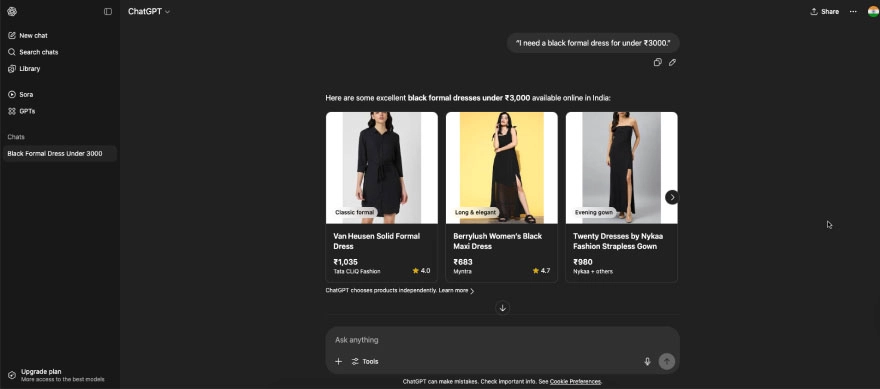
      Customers can start a chat session on the website or app. Instead of browsing categories, they describe what they’re looking for, like “I need a black formal dress for under ₹3000.” The AI then recommends suitable options instantly.
    • Answering Questions in Real-Time
      If a client asks approximately product details, sizing, delivery timelines, or return policies, the AI solutions them immediately, just like a live sales associate would.
      Similar real-time AI response capabilities are now widely used in customer service environments where AI systems handle support conversations and resolve customer queries instantly.
    • Smart Recommendations and Upselling
      Depending on client preferences, order history and popular trends, AI improves the possibilities of high order values, suggests add-ons or better alternatives.
    • Applying Discounts and Offers
      No need for coupon codes! The AI detects available discounts or offers and applies them automatically during the conversation, making checkout more convenient.
    • Streamlined Checkout and Payment
      Once the purchaser confirms their items, the AI guides them through a secure, brief payment process all within the chat interface, without redirecting to a separate checkout page.
    • Order Confirmation and Follow-ups
      To keep the purchaser engaged after the transaction, the AI sends order confirmations, delivery updates, and submit-buy care suggestions.

    Key Features of AI-Powered Checkout Systems

    Key-Features-of-AI-Powered-Checkout-Systems-1

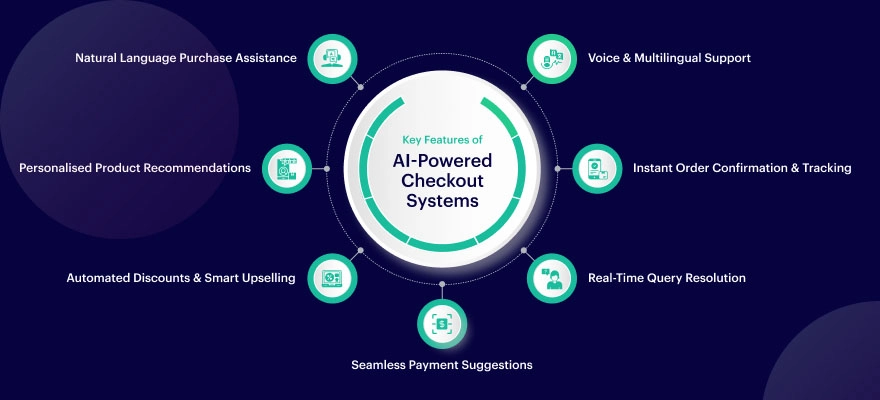
    The concept of an AI-powered checkout system sounds futuristic, but it’s already here, and it’s changing the policies of online purchasing. These intelligent systems, like ChatGPT Checkout for Shopify, aren’t making payments easier. They’re designed to offer a personalised shopping journey from start to finish.

    Let’s break down the standout capabilities that make AI checkout systems a real game-changer within the world of e-commerce.

    1. Natural Language Purchase Assistance
      Unlike traditional checkout pages, where shop owners have to click through several menus, the AI boxes let customers communicate naturally. You can write or talk whatever you want, and AI responds immediately with relevant options. It saves individual, interactive and valuable time, especially for mobile and one-stop stores.
    2. Personalised Product Recommendations
      AI checkout systems use customer preferences, purchase history, browsing behaviour, and even real-time trends to suggest products that fit you just right. For example, if you often get skin care products, the AI may suggest new sunscreens or moisturisers that upsell or cross-sell during checkout conversations.
    3. Automated Discounts & Smart Upselling
      The smart AI systems apply automatically available discounts, promotional codes and package agreements during the checkout. In addition, they can recommend supplementary products (for example, a telephone bag if you buy a new phone) or suggest options for better value that lead to high order values that feel like push fields.
    4. Seamless Payment Suggestions
      When it’s time to pay, AI checkout systems provide tailored payment alternatives based on customer location, past preferences, and order size. Whether it’s UPI, credit card, EMI, or PayPal, the AI suggests the maximum handy selections, making the process quicker and decreasing drop-offs at payment gateways.
    5. Real-Time Query Resolution
      One of the largest motives for cart abandonment is unanswered queries. AI checkout assistants cope with this efficaciously with the aid of resolving customer doubts right away, whether or not it’s about product specifications, shipping timelines, return policies, or payment safety. A brief solution could make the difference between a lost sale and a loyal customer.
    6. Instant Order Confirmation & Tracking
      AI provides instant order confirmation upon placement and provides real-time order tracking links and shipment updates through email or chat. This continuous, active commitment informs customers and builds trust.
    7. Voice & Multilingual Support
      Many AI-powered checkout systems now feature multilingual chat assistance and speech-based ordering as voice commerce and local shopping preferences develop. A greater variety of customers, including those who do not understand English and would rather chat with a person than type, can now access e-commerce.

    How ChatGPT Checkout is Disrupting Traditional E-Commerce Workflows?

    Online shopping had been consistent for many years. After perusing items and adding them to your cart, you proceed to the checkout page to complete your information and make your payment. This way works, but it’s not always quick or simple, mainly on phones where many folks quit before finishing.

    Now, ChatGPT Checkout is changing the game. It brings AI chat to checkouts, changing how we buy things online. It makes old e-commerce development steps better by speeding them up and making them smarter and more personal.

    Let’s look at how ChatGPT Checkout is helping with a better ecommerce workflow:

    • From Search to Purchase in One Seamless Conversation
      Instead of searching product classes and navigating through multiple pages, customers can now locate, pick out, and buy products within a single chat session. The AI assistant handles everything from information product possibilities to placing the order, getting rid of the need for clients to click through countless listings or fill out lengthy paperwork.
      This conversational way mimics the revel in of purchasing with a personal assistant in a physical store, making online transactions experience tons greater natural and interactive.
    • Reducing Cart Abandonment Rates
      One of the largest challenges in e-commerce is cart abandonment. Studies showed that over 70% of online shopping carts are deserted earlier than checkout. Common motives consist of complicated checkout forms, unclear shipping details, or last-minute doubts about the product.
      ChatGPT OpenAI powered checkout tackles these problems by using answers to customer queries, providing shipping estimates, making use of discounts in real-time, and simplifying payments, all in the chat window. This reduces decision-making friction and keeps consumers engaged as much as the payment step.
    • Enhancing Mobile and Voice Shopping
      With a huge number of online customers using cellular gadgets and voice assistants, AI checkouts like ChatGPT Checkout are optimised for these platforms. Shoppers can also place orders by their voice commands, without coping with small displays, slow-loading pages, or perplexing navigation.
      This makes online buying faster, in particular for everyday purchases or impulse buys, and expands to users who prefer voice-based or mobile-friendly solutions.
    • Simplifying Complex Purchases
      Certain purchases, like custom products or bundle offers, traditionally involve complex drop-downs and options on e-commerce sites. ChatGPT-powered checkout systems make this process easier by letting customers explain their requirements conversationally.
      For example, instead of selecting individual items for a skincare bundle, a customer can type “I need a skincare set for oily skin under ₹2000”, and the AI will curate the perfect bundle, apply relevant discounts, and check it out instantly.
    • Real-Time Personalisation at Checkout
      Generic discount codes or static upsell banners are frequently used in traditional e-commerce workflows. Conversely, ChatGPT Checkout offers dynamic, real-time personalisation. It suggests products, applies offers, and provides payment options based on individual shopping behaviour, previous purchases, and live browsing context.
      This level of instant personalisation improves customer experience while increasing the chances of higher order values for merchants.

    Build AI That Understands Your Users

    Deliver personalised, real-time experiences with our advanced AI tools.


    Schedule a Strategy Call

    Impact on Digital Advertising and Paid Campaigns

    As AI checkout systems like ChatGPT Checkout reshape the e-commerce world, they’re also having a substantial effect on the way digital advertising and paid campaigns work. Traditionally, online ads have been designed to direct traffic to a website, wherein customers browse, add to cart, and checkout.

    But with AI-led conversational checkouts, the complete adventure can now arise interior a single chat window, and that’s changing how brands technique advertising, and marketing, focused on, and conversion techniques.

    Let’s break down the most important shifts that are occurring within the digital marketing landscape, especially in areas like SEO services.

    1. Changing the Role of Paid Ads in AI-Led Transactions 
      In the past, the goal of paid ads was to drive visitors to a landing page or product listing. With ChatGPT-powered checkout systems, commercials can now trigger direct conversations with AI assistants, both on a brand’s website, social media platform, or messaging app.
      For example, clicking on a Facebook or Instagram ad may open a chatbot where the consumer can ask questions, explore alternatives, and make a buy, skipping the conventional web page at all. This reduces the variety of steps between ad engagement and purchase, making transactions faster and greener.
    2. AI Checkout’s Effect on Ad Targeting and Attribution 
      Conversational commerce systems like AI checkouts collect valuable information in real-time during interactions, along with customer options, popular product queries, and the buying reason. This permits advertisers to create especially centered campaigns based on real conversations, not just website behaviour.
      When purchases are done in a chat window, it’s simpler to tune ad-to-sale conversions accurately, without the chance of customers dropping off between a click and a checkout page. This improves ad attribution fashions and facilitates entrepreneurs to better measure the ROI of their campaigns.
    3. How It Could Reduce Customer Acquisition Costs 
      ChatGPT-powered AI checkouts boost the possibility of a transaction taking place soon after an ad contact by providing immediate assistance, personalised offers, and speedier checkout times.
      As fewer customers fall through the gaps, organisations may be able to spend less on remarketing efforts, cart abandonment emails, and retargeting adverts. E-commerce enterprises profit from lower customer acquisition costs and increased e-commerce advertising ROI.
    4. Impact on Influencer and Social Media Advertising 
      Initiatives for social commerce and influencer marketing are changing, and conversational checkouts are now accessible on Facebook Messenger, Instagram, and WhatsApp.
      Instead of directing followers to a website, influencers can now guide customers to begin a conversation with a logo’s AI assistant, making impulse buys and time-limited offers less complicated to transform within social media itself. This creates a more interactive shopping experience on the platforms where audiences spend the maximum of their time.

    Key Benefits of Mobile App Development for Businesses

    Benefits-for-Shopify-Merchants-and-E-Commerce-Businesses

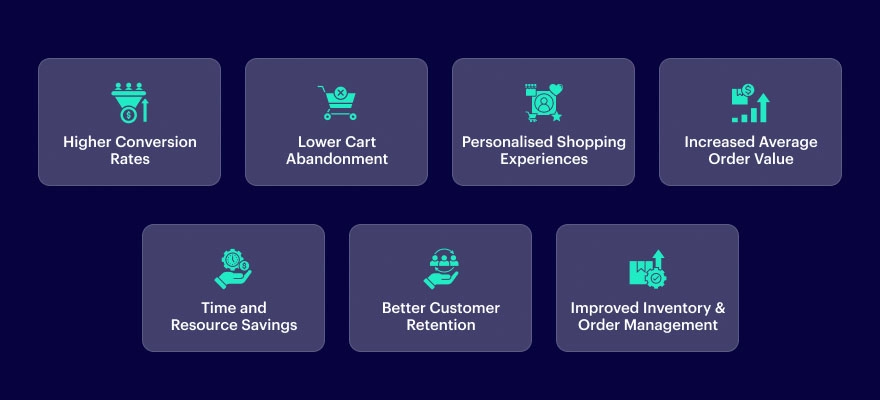
    ChatGPT-powered checkout systems aren’t just about convenience for shoppers; they deliver business benefits too. Here’s how Shopify merchants and online stores can benefit:

    • Higher Conversion Rates: By offering on-the-spot product hints, quick answers, and seamless checkouts, AI checkouts lessen drop-offs and inspire quicker decision-making.
    • Lower Cart Abandonment: With real-time question coping with and cut price charge packages, customers are less possibly to abandon their carts mid-checkout.
    • Personalised Shopping Experiences: AI makes use of patron data and possibilities to tailor product suggestions and gives, developing a buying experience that feels private and applicable.
    • Increased Average Order Value: Through clever upselling and move-promoting inside the route of chat-based transactions, traders can increase the full charge of every order.
    • Time and Resource Savings: AI assistants can deal with multiple consumer interactions concurrently, reducing the need for stay sellers and guiding order control.
    • Better Customer Retention: Personalised conversations, immediate aid, and follow-up messages help improve customer delight and loyalty over the years.
    • Improved Inventory and Order Management: AI systems track well-known products and patron preferences in real-time, helping e-commerce companies manage inventory and destiny promotions greater effectively.

    Real-World Examples & Early Adopters of AI Checkout

    Several forward-thinking brands and online stores have already started experimenting with AI-powered checkout systems to streamline their customer journeys.

    Here are 3 standout examples you ought to recognise:

    Shopify’s Own AI-Integrated Checkout

    Shopify itself has been the way of integrating AI-powered chatbots and conversational checkout tools within its platform. Through partnerships with AI developers and its in-residence AI capabilities, Shopify traders can now offer AI assistants on their websites that help with product recommendations, order assistance, and real-time checkout.

    What makes it special:

    • Real-time product suggestions based on browsing behaviour. 
    • Automated upselling and coupon application. 
    • Multilingual and voice support for global shoppers.

    Sephora’s AI Shopping Assistant

    Global beauty brand Sephora has included AI-driven chatbots on its website and mobile app that help clients in locating merchandise, giving beauty tips, and finishing purchases via conversational checkout.

    What makes it special:

    • Personalised product suggestions are primarily based on pores and skin type, colour options, and past purchases. 
    • Conversational order placement and real-time fee alternatives. 
    • AI-driven makeup tutorials and recommendations are linked directly to in-stock products.

    Coca-Cola’s AI-Powered Messenger Store

    Coca-Cola tested an AI-controlled purchasing experience on Facebook Messenger so users could detect, order and pay for drinks without leaving the chat. It became one of the first demonstrations of AI conversational commerce combined with checkout.

    What makes it special:

    • Quick product selection through keyword-triggered conversations. 
    • Instant order placement and payment within the chat window. 
    • Limited-time deals and combo offers delivered via AI conversations.

    Future-Proof Your Business with AI

    We help startups and enterprises bring powerful AI ideas to life.


    Book an Appointment

    Conclusion

    The world of e-commerce services is transforming, and AI-powered checkout systems like ChatGPT Checkout are at the centre of this interesting shift. What started as a manner to enhance customer service has now advanced into a device that could manage everything from product discovery and real-time recommendations to instant payments and personalised order confirmations, all within a single, conversational interface.

    For Shopify merchants and online retailers, this is more than just a tech upgrade. It’s a possibility to offer personal shopping reviews that clients absolutely experience. With the capability to reduce cart abandonment, lower purchase acquisition charges, and improve conversion rates, AI checkouts are becoming vital equipment for current e-commerce businesses.

    At the same time, those innovations are also changing how digital advertising and online marketing campaigns work. As greater brands and developers into this fashion, we’re likely to see a future in which conversational commerce lives along traditional websites, mobile apps, and social media stores, giving shoppers more desire and convenience than ever before.

    In short, AI in e-commerce is no longer a distant dream; it has arrived. And for groups that need to plan ahead of time, now is a great moment to try out ChatGPT-powered checkouts and AI-powered shopping experiences.

    FAQs


    1. What is ChatGPT's latest shopping feature?


    OpenAI ChatGPT now has a built-in shop feature. You can ask for items in simple words and see product lists with pictures, information, prices, reviews, and links to buy them right in the chat.


    It delivers personalised product suggestions, pulling structured metadata (like price, reviews, ratings) and using user context and memory (for Plus/Pro users) to tailor results based on preferences and past interactions.


    No, results are currently organic and ad-free; OpenAI has emphasised that there are no sponsored placements or paid ads as of now, though future affiliate links or “tasteful” monetisation models might be explored.

    Found this post insightful? Don’t forget to share it with your network!



    Related Articles

  • Top E-commerce Mistakes to Avoid in 2025

    Top E-commerce Mistakes to Avoid in 2025

    Common E-commerce Mistakes to Avoid in 2025

    Top E-commerce Mistakes to Avoid in 2025
    [ez-toc heading_levels=”2,3″]

    E-commerce has taken the world by storm, becoming a cornerstone of modern business across industries. Whether it’s B2C (Business to Consumer), B2B (Business to Business), or C2B (Consumer to Business), online commerce continues to grow at an unprecedented pace. However, as more people shop online and more businesses rush to claim their piece of the digital marketplace, common e-commerce mistakes are becoming increasingly apparent—mistakes that can hinder growth, reduce customer satisfaction, and impact long-term success.

    However, despite this booming opportunity, many business owners fall into the same traps when launching or managing their eCommerce platforms. From poor user experience to weak backend functionality, these E-commerce mistakes can cost businesses conversions, customers, and credibility.

    Whether you’re running a small boutique or a global supply chain operation, avoiding these mistakes is critical — and that’s where expert eCommerce development services come in.

    What is E-commerce?

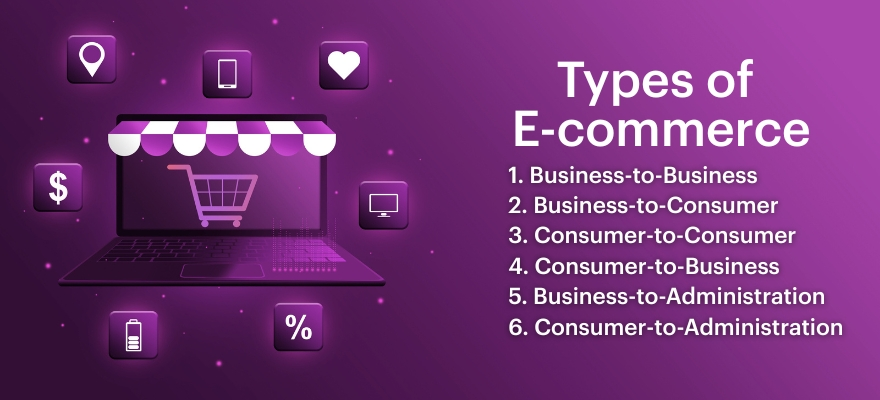
    E-commerce is all about the buying and selling of products, services, or money and data transfer over the digital medium, mainly the internet. Usually, the transactions are divided into four categories for simplification, which are: business-to-business (B2B), some firms that sell to consumers (B2C), individuals selling to each other (C2C), and individuals selling to businesses (C2B).

    However, while there is an overlap of meaning with e-business, sometimes the term e-tail is used to talk about retail transactions conducted via the internet.

    The last two decades have been largely dominated by the role of Amazon and eBay as major players in the expansion of online retail. The U.S. Census Bureau said that e-commerce accounted for only 5% of total retail sales in 2011. However, as of the second quarter of 2020, spurred partly by the COVID-19 pandemic, this figure grew to 16.5%. As brick-and-mortar shops reopened, that share of e-commerce has slightly ebbed but remains at around 15%.

    What is E-commerce?​

    Types of E-commerce

    The six major types of e-commerce; this model evolved into types depending upon the parties involved in the transaction: Basically, the six types look like this:

    1. Business-to-Business

    B2B (business-to-business) E-commerce is a subset of e-commerce in which, with both parties’ consent, transactions are carried out electronically. This involves anything from manufacturers and wholesalers to suppliers selling- mainly goods and services-to another business or entity rather than to the ultimate consumer. This type of marketing makes the backbone of many industries’ supply and distribution chains.

    2. Business-to-Consumer

    This is the most common type of e-commerce. The B-C model describes the situation when businesses sell goods or services directly to individual consumers by means of an online transaction. Think online retail, digital services, or subscription models. The Internet has brought great impetus to this sector whereby the consumer is given a lot of choices-right from electronics, clothing, books, and food-at prices and the convenience of shopping that is lower than brick-and-mortar retail.

    3. Consumer-to-Consumer

    C2C e-commerce is a type of commerce whereby individuals sell goods or services to one another, typically through the intermediary of a third-party platform such as eBay or Facebook Marketplace. These platforms provide the basic infrastructure and the operative means for their users to list their items, complete transactions, and communicate with potential buyers or sellers.

    Types of E-commerce​

    4. Consumer-to-Business

    The B2C model is the completely opposite direction of the classical model. In this case, products or services are offered to companies by individuals. This occurs in freelance marketplaces, crowdsourced design contests, and stock photo sites, where a company procures creative work from individual contributors.

    5. Business-to-Administration

    Future B2A e-commerce will encompass all digital transactions in which firms interact with governmental administrations. This would include filing tax documents, compliance paperwork, and personnel record management, etc. The government will further its agenda of e-governance by providing an online avenue to effect these transactions.

    6. Consumer-to-Administration

    The C2A system involves online interaction between individuals and public authorities. Examples of encounters within the C2A framework include tax filing, medical appointment booking, government benefit application, and educational resources access. This model seeks to empower citizens in their reach to government services through digital services.

    Common 4 Mistakes to Avoid while Creating an E-commerce App

    Creating an e-commerce app can be an exciting venture, but it’s easy to overlook critical details in the process. To ensure a smooth launch and long-term success, here are some common mistakes you’ll want to avoid.

    Common 4 Mistakes to Avoid while Creating an E-commerce App​

    1. Mistake – Take a good look at what you need

    Before you even go online you need to take a good look at what exactly you’re selling. Different products will require certain packaging, shipping regulations, and age-restricted product verifications. Start by breaking your products down into “stores”. For example, if you sell clothing break it down into going outwear (men/women/unisex), casual wear (men/women/unisex), etc. What you’ll start to see is how many main pages you’ll need for your e-commerce site and how flexible the showcasing of your products needs to be.

    When choosing a platform to showcase your products really think about your needs:

    • Do you need to personalise your page?
    • How many products will the site hold?
    • Who’s your target audience?
    • What is your brand?

    I know this seems like very simple information, but these really are the foundation of your e-commerce.

    2. Mistake – Speak with your clients

    I’m guessing, and forgive me if I’m wrong: if you’re looking to set up an e-commerce for the first time, then you already have a client base backing you and the products you sell. Correct? Yes, ahh good. What works for your brain doesn’t work for others, and that’s a fact. A big e-commerce mistake that new business owners make is forgetting who got them where they are today, hold on to those customers tightly.

    Speak with your current clients about what platforms they use, what sort of layouts attracts them, and most of all – What makes them buy more. Ignoring the ideas of tried and trusted return clients will lead you into even more common e-commerce mistakes, these are the people who if you do this right – will continue to buy from you.

    Look up other stores that sell similar products as you, obviously you don’t want to look exactly the same as them, but it will give you inspiration (don’t worry, there’s literally no such thing as original anymore).

    3. Mistake: Pricing and delivery

    Never compromise on your prices, if someone else is doing the same product cheaper – let them. You don’t know how much delivery they pay, or how much it costs them to host their site, or even how much time they put into their store and products. Just leave them to do their store, and you do yours. On the flip side, don’t price yourself out of the market. Every buyer understands that occasionally there will be a price increase due to supply costs, shipping charges, … but again, reasonable price increases are okay, don’t just throw your prices up because you fancy a new pair of shoes or eating at Salt Bae’s restaurant.

    Delivery charges and delivery times need to be specified and correct, none of this we’ll calculate your delivery charge at the end, it puts people off. There needs to be a balance between your pricing and your delivery charges, if you were to put every item up by £1 and then put a standard delivery charge of £6 then people will not buy from you. Would you pay delivery on a £1 item, no? I didn’t think so.

    Chose a courier wisely, these people are your final frontier before reaching the customer, and if their parcel is lost, battered, or miss-delivered – you’ll be the one replacing it. Not all courier services have a good reputation, which can have a knock-on effect on your business if you don’t put the time into choosing. People will be put off from buying from you if you use a poorly rated delivery service.

    Need Help Avoiding Common E-commerce Mistakes?

    Talk to our team and launch your platform the right way.


    Book a Appointment

    4. Mistake: Checking your website for updates and errors

    Regularly run checks on your website for bugs, pricing errors, and everything else that can pop up from time to time. If a client reports an error to you, make sure that you have it checked and corrected straight away. Errors on your page cause your site to play up, which creates a poor user experience resulting in client loss, customers not returning, and sometimes not even completing their transaction. The user experience should always be one of your main focuses, as I’ve said before – your clients pay your bills. The better you treat them, the more loyal they will be to you.

    If you wish to, run your website through the seasons. Create packages for the different festivities as they come up, if you decide to do extra for new clients, do something for your loyal clients as well.

    By hiring the right web and e-commerce developer, you’ll be able to avoid common e-commerce mistakes.

    Found this post insightful? Don’t forget to share it with your network!



    Related Articles