
Table of Contents
- The Chaos of Modern Film Production
- The Vision: A Unified Ecosystem for Cinema Professionals
- The Engineering Muscle: Building the Core ERP Modules
- Real-time Creative Collaboration: The Digital Nervous System
- High-Definition Streaming: Handling the Heavy Lifting
- The Architecture: Why React, Node.js, and AWS?
- Traditional Management vs. CineStream ERP: A Comparison
- Common Mistakes in Custom Software Development for Media
- The Result: Unprecedented Efficiency and 5.0 Satisfaction
- The Future of Production Technology
- Frequently Asked Questions
The Chaos of Modern Film Production
Picture a high-budget film set. It is a whirlwind of coordinated chaos. From “Light Boys” (Gaffers) adjusting barn doors to Line Producers frantically balancing spreadsheets, every second is worth thousands of dollars. Historically, this industry: despite being at the cutting edge of visual storytelling: has relied on a fragmented mess of legacy software, paper call sheets, and disparate communication channels.
The primary challenge in film production is not a lack of talent, but a lack of synchronization. Information silos between the camera crew, the lighting department, and the production office lead to expensive delays. This is where bespoke software development becomes more than just a luxury; it becomes a fundamental necessity for operational survival in a competitive global market.
Problem: Production teams lose up to 25% of their daily budget on administrative friction and miscommunication between departments.
Solution: A centralized, bespoke ERP that acts as a “single source of truth,” ensuring every department head has real-time access to the same scheduling and budgetary data.
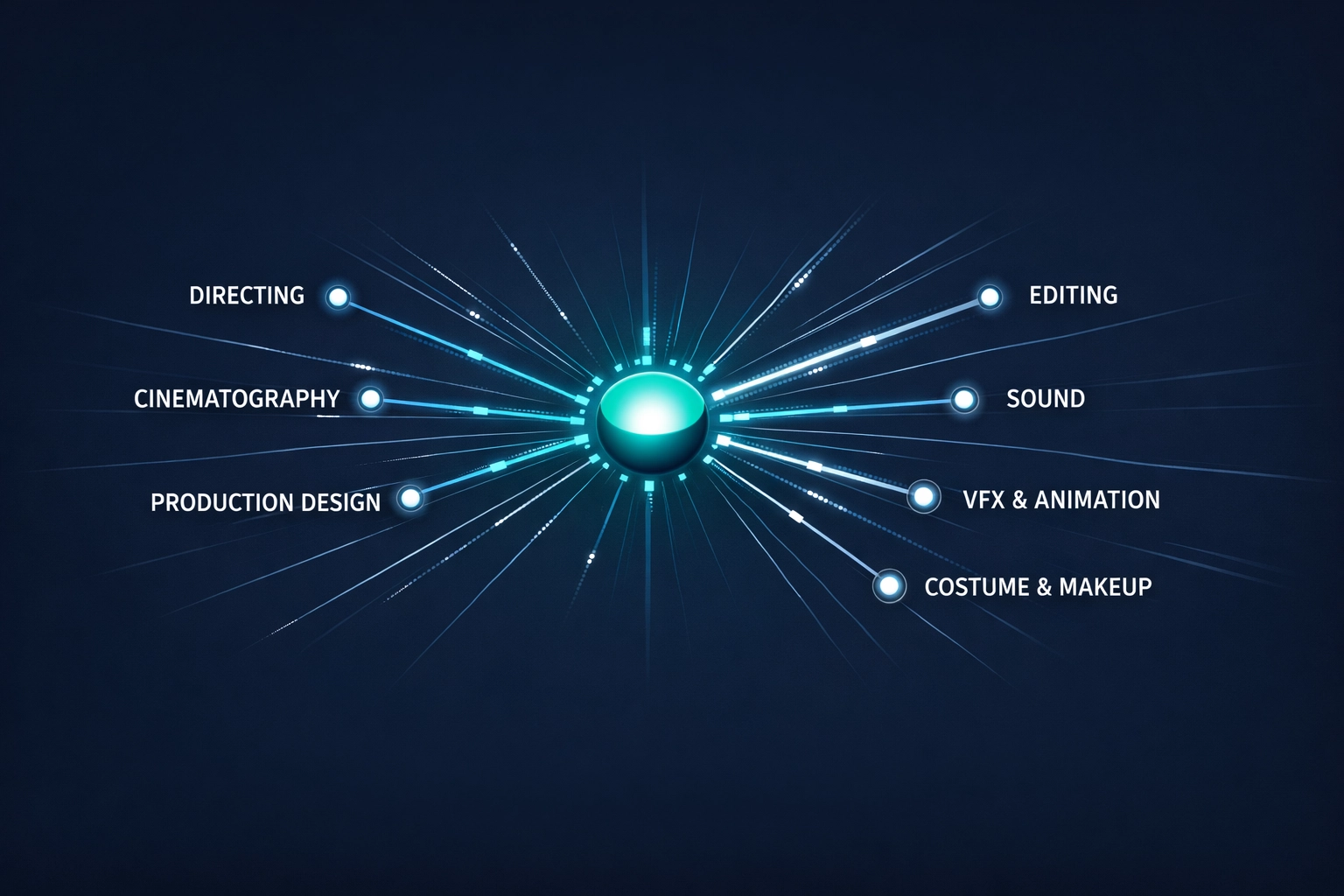
Visual: A horizontal shot of a high-tech film set with integrated digital monitors showing production data.
The Vision: A Unified Ecosystem for Cinema Professionals
When Chimpare set out to build CineStream, the goal was clear: create the most comprehensive media and entertainment solution ever seen. We didn’t just want a project management tool; we wanted a living, breathing ecosystem that connected the creative spark with the cold reality of logistics.
The CineStream vision was built on three pillars:
- Centralized Control: Consolidating financial, scheduling, and inventory data into one dashboard.
- Creative Interconnectivity: Allowing cinematographers, directors, and editors to share raw vision in real-time.
- Scalable Performance: A system capable of handling the massive data loads associated with 8K raw footage and global distribution workflows.
For business owners in the media sector, the transition to custom software development represents a shift from “making do” with off-the-shelf tools to wielding a weapon specifically sharpened for their unique workflow.
The Engineering Muscle: Building the Core ERP Modules
An Enterprise Resource Planning (ERP) system for film is vastly different from one for retail or manufacturing. It requires extreme flexibility to accommodate the fluid nature of creative work. At Chimpare, a leading software development company in the UK, we focused on three primary modules for the CineStream engine.
1. The Financial Module
Managing a film budget involves tracking everything from location permits to catering costs and complex tax incentives across multiple jurisdictions.
- Speciality: Real-time budget tracking and automated tax credit calculation.
- Key Features:
- Automated multi-currency payroll for international crews.
- Live budget vs. actuals tracking with “burn rate” alerts.
- Integrated vendor payment gateways.
2. The Dynamic Scheduling Module
In film, a “Day” isn’t 9-to-5; it’s a series of “strips” on a board.
- Speciality: Heuristic-based scheduling that adapts to weather forecasts and talent availability.
- Key Features:
- Interactive stripboards with drag-and-drop functionality.
- Automatic generation of PDF call sheets sent via push notifications.
- Real-time crew tracking for on-location health and safety compliance.
3. The Inventory and Asset Module
From a million-dollar Arri Alexa camera to a specific 1920s prop, every item must be logged.
- Speciality: RFID and QR code integration for high-value asset tracking.
- Key Features:
- Maintenance logs and automated “service required” alerts.
- Check-in/Check-out system with digital signatures.
- Warehouse-to-set logistics mapping.
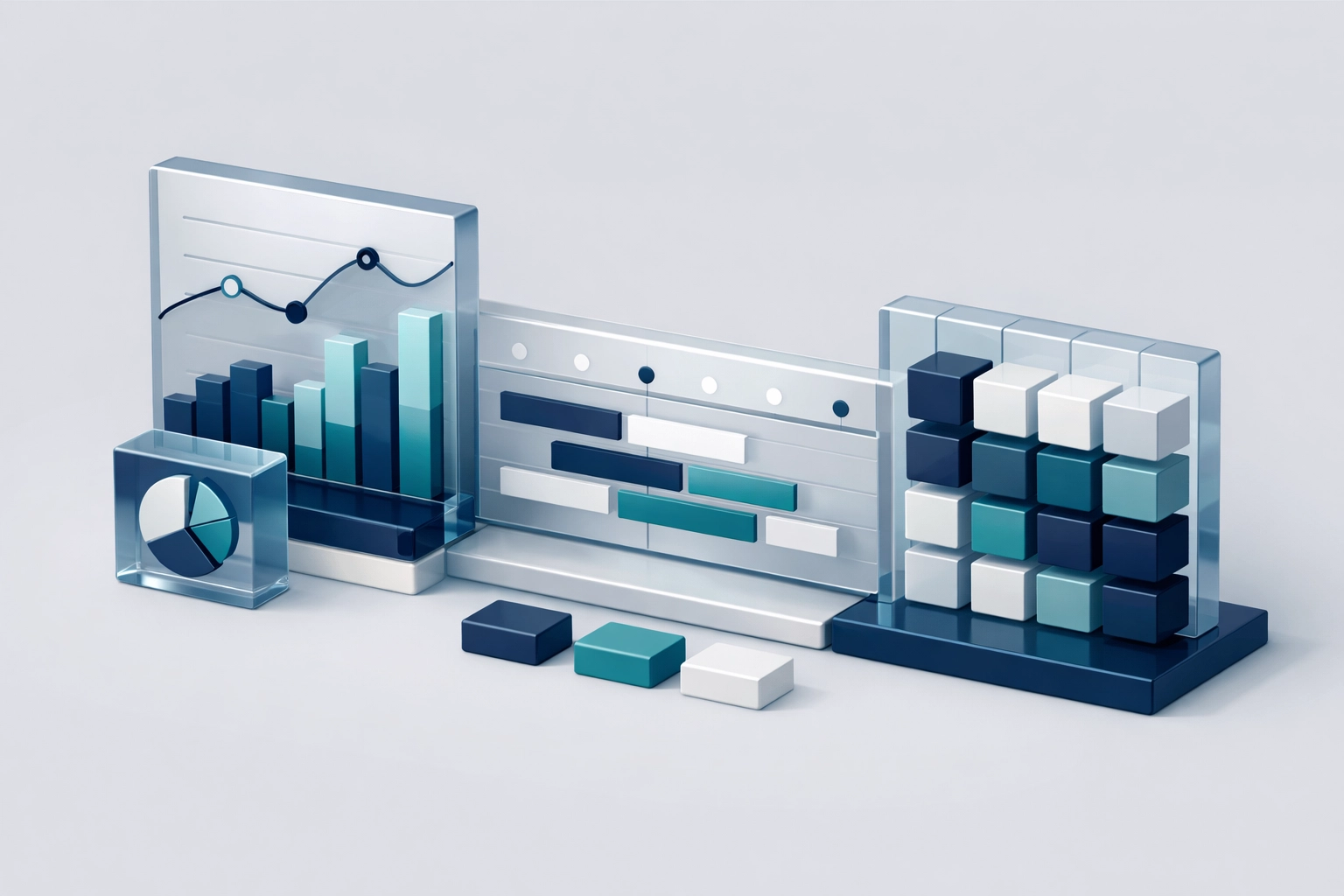
Visual: A short, horizontal dashboard interface showing film production schedules and financial burn-rate graphs.
Real-time Creative Collaboration: The Digital Nervous System
Beyond the spreadsheets, CineStream serves as a “Creative Network.” For a Director of Photography (DP) or a Creative Director, the ability to annotate footage and share lighting diagrams instantly is game-changing.
- Integrated Storyboarding: Direct link between visual boards and the shooting schedule.
- Script Annotation: Digital scripts that sync notes across all department heads simultaneously.
- Instant Dailies: Immediate access to low-latency proxies of the day’s shoot for immediate feedback.
Problem: Editors and Directors often wait hours or days for footage transfers, stalling the creative feedback loop.
Solution: A seamless, cloud-native review system that allows for frame-accurate commenting the moment a “wrap” is called on a scene.
High-Definition Streaming: Handling the Heavy Lifting
The most significant technical hurdle for CineStream was the transmission of high-definition raw files. Typical film files are massive, often exceeding hundreds of gigabytes per hour of footage. Leveraging our expertise in Node.js development, we built a proprietary streaming engine.
- Adaptive Bitrate Streaming: Ensuring the Director can watch footage on an iPad at the airport or a 4K monitor in the studio without lag.
- End-to-End Encryption: Protecting intellectual property with military-grade security protocols.
- Edge Computing: Utilizing AWS CloudFront to cache footage closer to the production hubs in London, LA, and Mumbai.
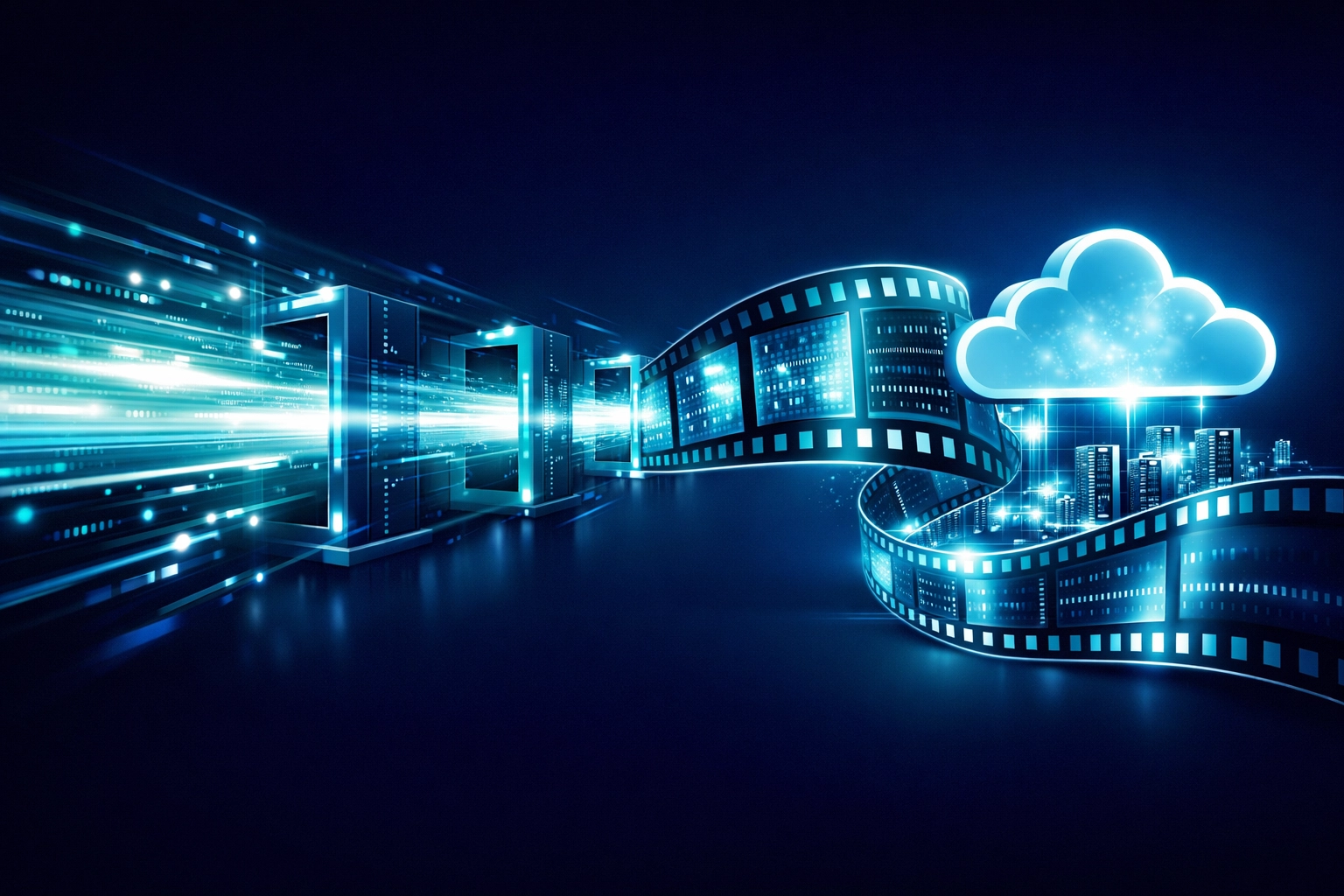
Visual: A data visualization chart showing the reduction in latency for 8K video streaming comparing CineStream to standard cloud storage.
The Architecture: Why React, Node.js, and AWS?
The choice of tech stack was deliberate. For a platform that requires high reactivity and massive data throughput, we chose a combination of modern frameworks.
- Frontend (React): We utilized React to build a dynamic, lightning-fast user interface. The component-based architecture allowed us to build complex dashboards that stay updated in real-time without refreshing the page.
- Backend (Node.js): Node.js was our choice for its non-blocking I/O model. This is essential for handling thousands of concurrent users and high-volume data streams without the server breaking a sweat.
- Infrastructure (AWS): Amazon Web Services provided the scalability. By using S3 for storage and EC2 for compute power, CineStream can scale from an indie short film to a multi-billion dollar franchise overnight.
Traditional Management vs. CineStream ERP: A Comparison
| Feature | Traditional Film Production | CineStream Bespoke ERP |
|---|---|---|
| Data Access | Scattered PDF and Excel files | Single Source of Truth (Live Dashboard) |
| Budget Updates | Manual entry (Delayed by 24-48 hours) | Real-time automated burn-rate tracking |
| Communication | WhatsApp, Email, and Phone calls | Integrated, context-aware messaging |
| Asset Tracking | Paper logs and spreadsheets | QR/RFID Integrated Tracking |
| Footage Review | External drives or slow FTP uploads | Instant, secure high-def streaming |
| Scalability | Rigid, requires more manual labor | Dynamic, grows with the production size |
Common Mistakes in Custom Software Development for Media
Developing for the media industry is a minefield. Hiring managers and business owners often fall into these traps:
- Over-Engineering the UI: Film sets are high-pressure environments. A UI that is too “clever” or requires too many clicks will be ignored. UX must be utilitarian and fast.
- Neglecting Offline Capability: Film locations are often in remote areas with poor connectivity. A system that doesn’t have a robust “Offline First” mode via React Native or PWA technology is doomed to fail.
- Ignoring Security: Leakage of a script or raw footage can destroy a studio. Standard security isn’t enough; you need watermarking and granular access controls.
- Lack of Integration: If the ERP doesn’t talk to the accounting software or the camera hardware, it’s just another silo.
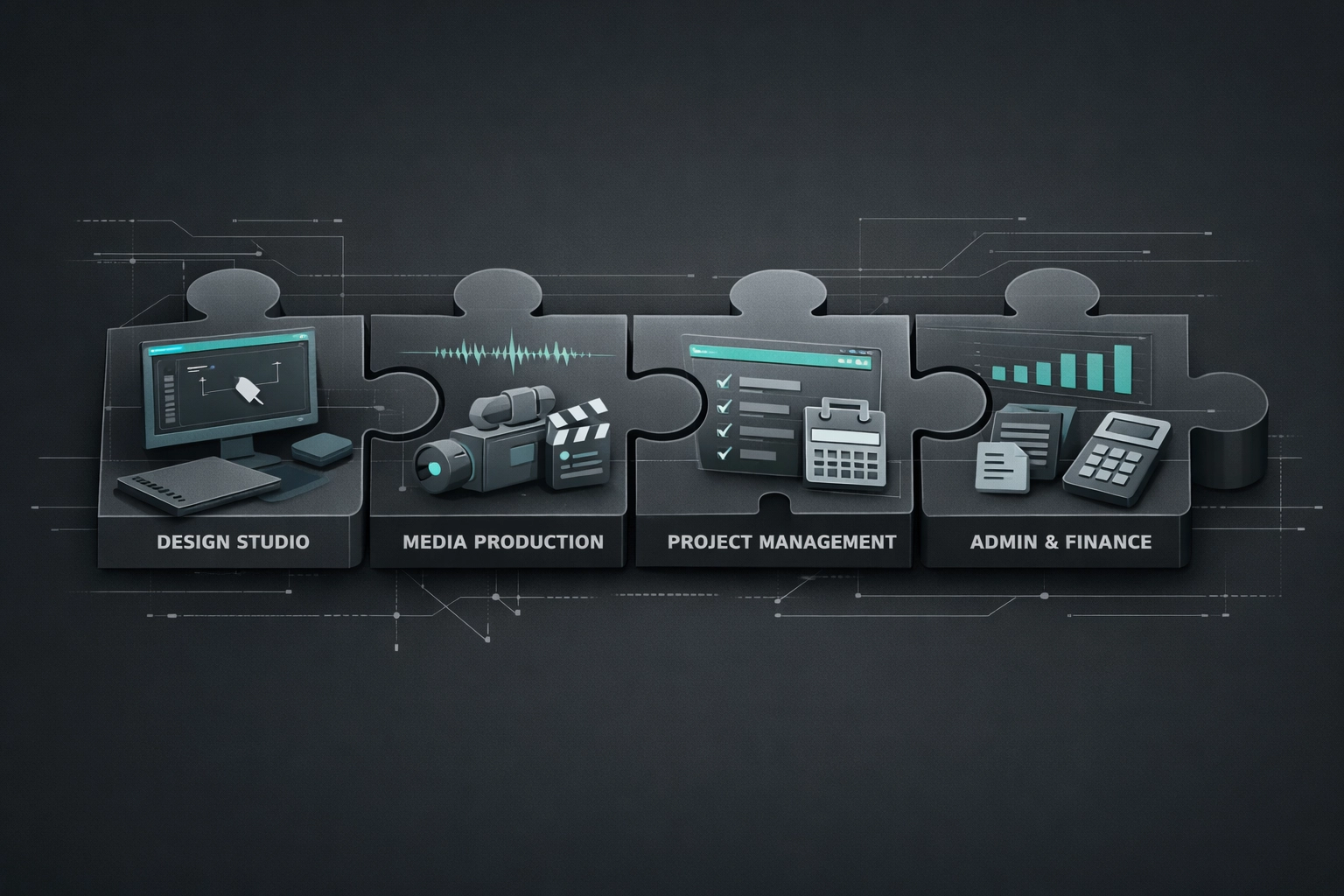
Visual: A horizontal conceptual graphic of interconnected icons representing script, camera, finance, and post-production.
The Result: Unprecedented Efficiency and 5.0 Satisfaction
The implementation of CineStream across our pilot productions yielded staggering results. By replacing fragmented systems with a bespoke media and entertainment solution, we saw:
- 30% Reduction in Administrative Overhead: Line producers saved an average of 15 hours per week on manual data entry.
- 20% Faster Post-Production Turnaround: Instant access to dailies allowed editors to start assembly while the crew was still on set.
- Zero Equipment Loss: The asset tracking module eliminated the “missing lens” problem that plagues many large sets.
- 5.0 Customer Satisfaction: User feedback praised the intuitive nature of the dashboard and the reliability of the mobile app.
Ready to see the full technical breakdown?
View the full CineStream Case Study here
The Future of Production Technology
As we look toward the future, the integration of Artificial Intelligence and RPA (Robotic Process Automation) into the film production cycle is the next frontier. We are already exploring how AI can predict budget overruns before they happen or suggest the most efficient shooting order based on traffic patterns and weather data.
The cinema industry is at a crossroads. Those who embrace bespoke software development will lead the next generation of storytelling, while those tethered to legacy processes will find themselves left in the edit room of history.

Visual: An infographic showing the growth of digital ERP adoption in the media industry from 2020 to 2026.
Frequently Asked Questions
Why is bespoke software better than off-the-shelf production tools?
Off-the-shelf tools are built for the “average” user. Film production is never average. Bespoke software allows you to automate your specific workflow, integrate with your existing hardware, and scale according to your unique project demands.
Is CineStream suitable for small indie productions?
Absolutely. The beauty of the cloud-native architecture we use at Chimpare is that it is infinitely scalable. You only use the resources you need, making it as viable for a $100k indie film as it is for a $200m blockbuster.
How does the system handle security for sensitive scripts?
We implement multi-factor authentication, dynamic watermarking on all viewed files, and “view-only” permissions that can be revoked instantly. All data is encrypted both at rest and in transit using industry-standard AES-256 encryption.
Can CineStream integrate with existing accounting software?
Yes. Our API-first approach means we can build connectors for popular accounting tools like Xero, Sage, or industry-specific tools like Mediaocean, ensuring that your financial data flows seamlessly from the set to the back office.
Looking to modernize your production workflow? Contact Chimpare today to discuss how our custom software development services can transform your business.